

Hip
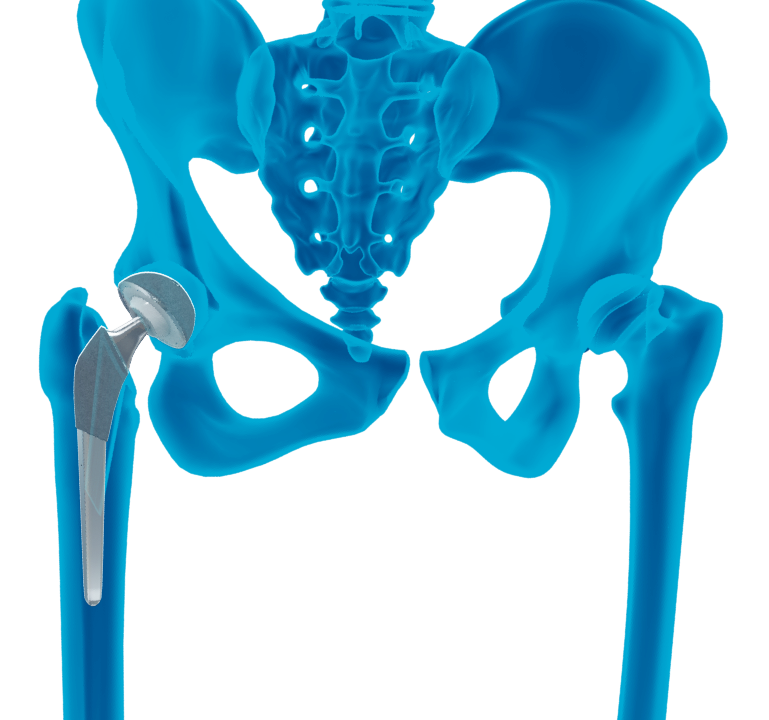
When you’ve run the course of conservative treatments and your hip pain is keeping you from doing the things you used to do on a daily basis, it’s time to consider hip replacement surgery. Total hip replacement can be life changing for those who suffer from osteoarthritis, rheumatoid arthritis or post-traumatic arthritis. Each year more than 300,000 hip replacements are performed in the United States.
Anterior Hip Replacement
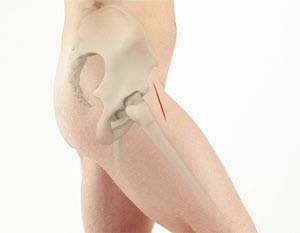
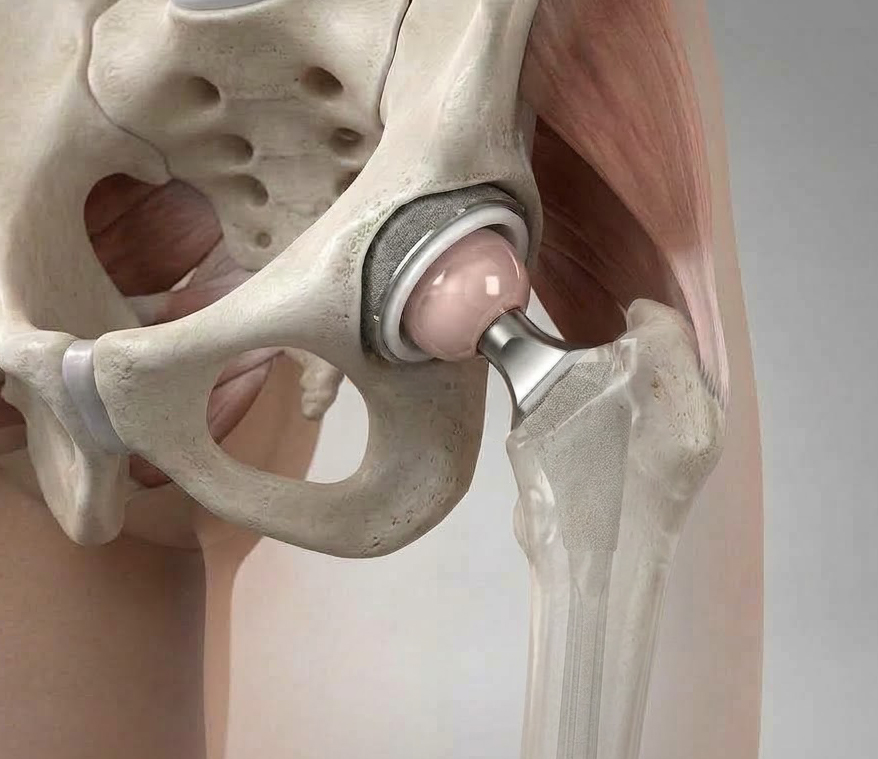
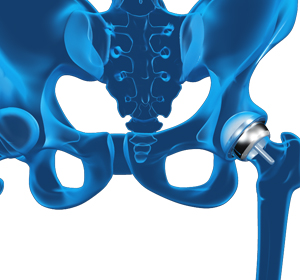
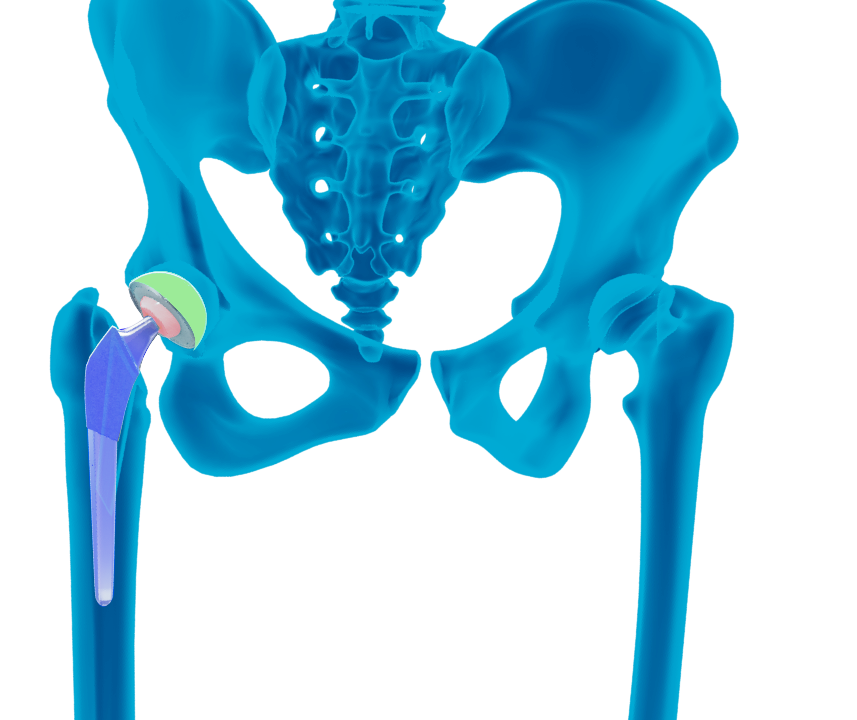
As an orthopaedic surgeon who specializes in hip replacement, I choose to perform anterior hip replacement, whenever possible, rather than posterior hip replacement. Anterior hip replacement is performed with an incision on the front side of the hip. Because there are fewer muscles in front of the hip bones, we work between the muscles rather than having to cut them or detach them from the bones. Then we remove the damaged bone and cartilage and replace them with artificial hip components.
With anterior hip replacement patients experience less pain, require less pain meds and recover more quickly. They typically can bend at the hip and walk sooner as well. And, because we have not disturbed the muscles that hold the hip’s ball and socket in place, there is less risk of the hip dislocating post-surgery.
For those patients who are not candidates for anterior hip replacement because of their weight or being extremely muscular, we still perform posterior hip replacement with excellent outcomes.
Hip Revision Surgery
While total hip replacement surgery is highly successful, occasionally issues arise that require hip revision surgery. In any surgery, infection is always a possibility. Infection can occur in the hospital, after you go home, or years later. An infected hip replacement can be painful, and it can cause the implanted hip parts to become loose from the bone. Because antibiotics alone don’t get rid of all the infection, sometimes we need to go inside the hip to wash out the bacteria and replace some or all the parts.
Over time, normal wear and tears can also affect the parts of a hip replacement. Hip replacement parts typically last 10 to 15 years. Excessive wear can occur from high-impact activities and carrying extra body weight. When this occurs hip revision surgery may be required to replace those parts that have worn out. Additionally, a fracture of the hip or dislocation of the hip may also require repairs to be made to the prosthetic parts.
Determining if Hip Replacement Surgery is Right for You
When you schedule an appointment to meet with me, we’ll discuss your history and look at any test results you have. If we need more tests, x-rays or an MRI we’ll schedule those. Before proceeding to surgery, I want to make sure that we’ve exhausted all conservative treatment options.
Based on your unique condition, I’ll explain the surgery to you so you will know exactly what to expect. It is important to me that I answer all your questions and that you are comfortable making the decision to move forward with surgery.
Ensuring the Success of Your Hip Replacement Surgery
To ensure the success of your hip replacement surgery I follow all the protocols that have been shown to be effective to minimize the possibility of infection. Because of this my infection rate is 1/32 of the national average or 1/4 of one percent.
Schedule a Hip Replacement Consultation
To learn more about hip replacement surgery and determine if it is the next step for you, schedule an appointment today. Call (719) 632-7669(719) 632-7669.
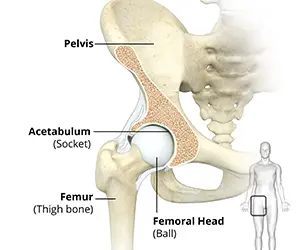
Hip Anatomy
The hip joint is the largest weight-bearing joint in the human body. It is also referred to as a ball and socket joint and is surrounded by muscles, ligaments, and tendons. The thigh bone or femur and the pelvis join to form the hip joint. Any injury or disease of the hip will adversely affect the joint's range of motion and ability to bear weight.
 Anterior Hip Replacement
 ABLE Hip Replacement
 Acetabuloplasty
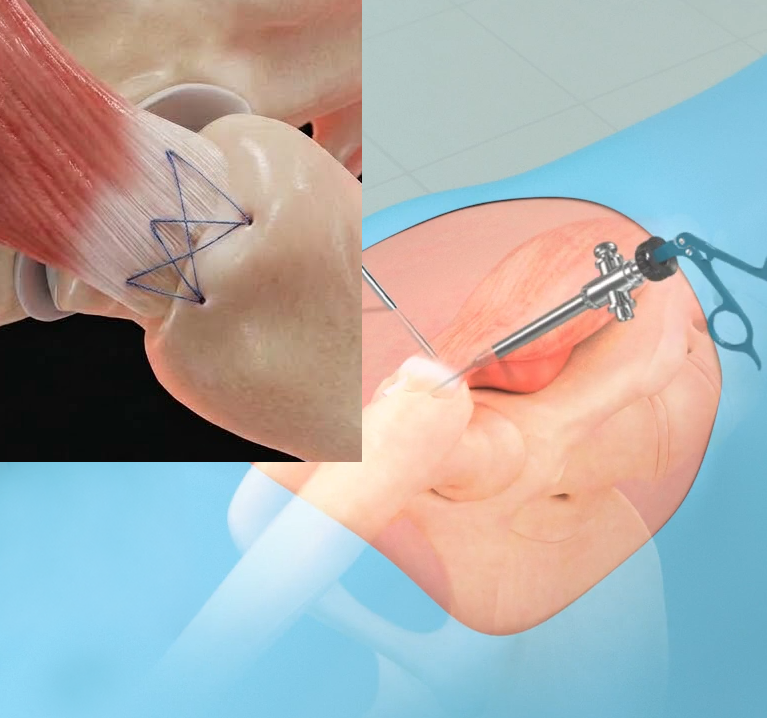 Arthroscopic Gluteus Medius Tendon Repair
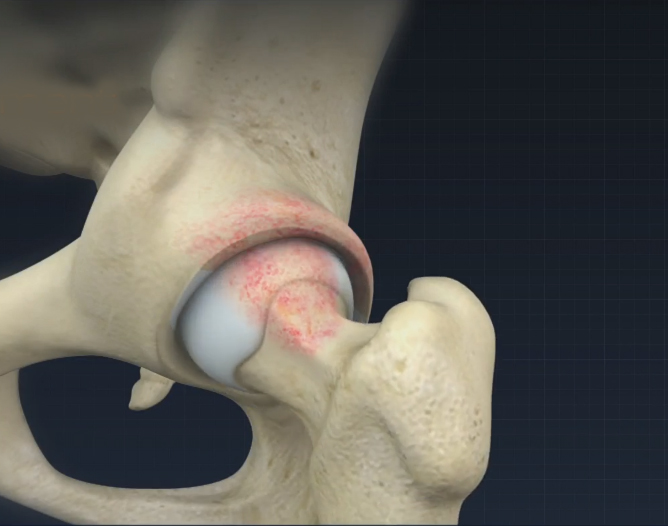 Femoral Osteoplasty
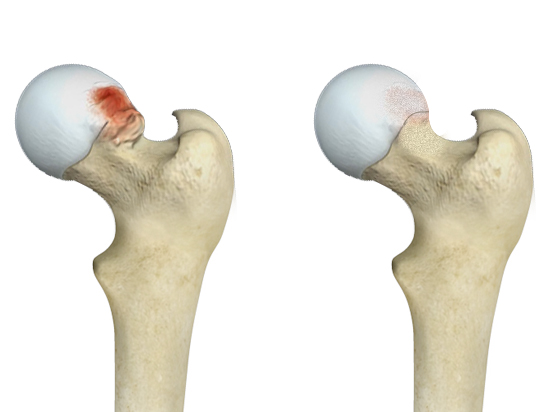 Femoroplasty
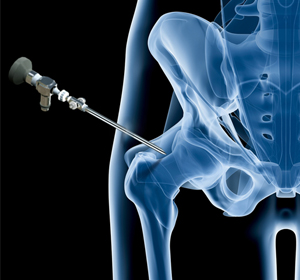 Hip Arthroscopy
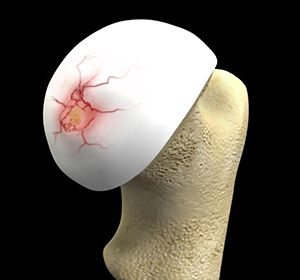 Hip Cartilage Repair
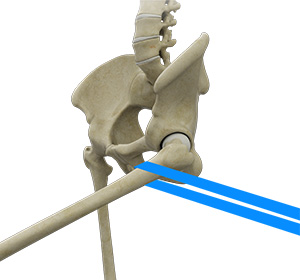 Hip Distraction
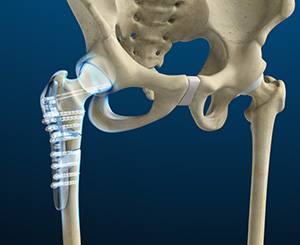 Hip Fracture ORIF
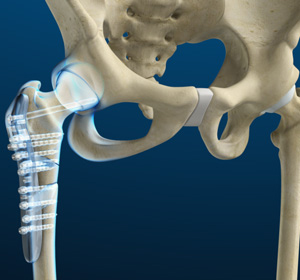 Hip Fracture Surgery
 Hip Pain Treatment
 Hip Implants
 Hip Labral Augmentation
 Hip Labral Reconstruction
 Hip Labral Repair
 Hip Preservation Surgery
 Hip Reconstruction
 Hip Resurfacing
 Hip Surgery
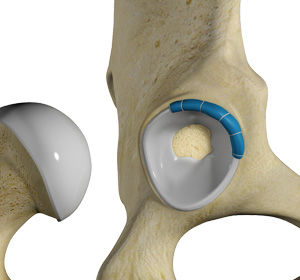 Hip Trauma Reconstruction
 Nonsurgical Hip Treatments
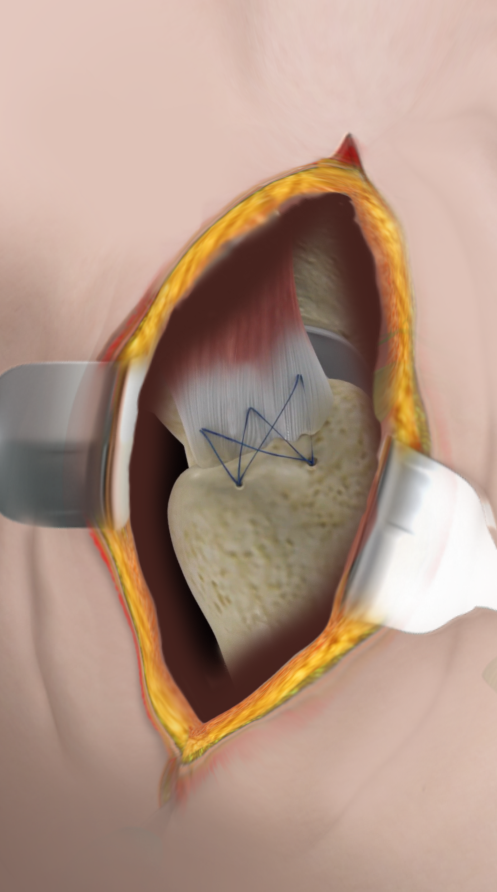 Open Gluteus Medius Repair
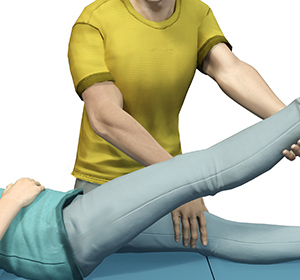 Physical Examination of the Hip
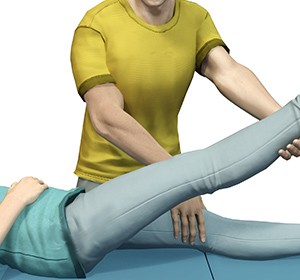 Physical Therapy for Hip
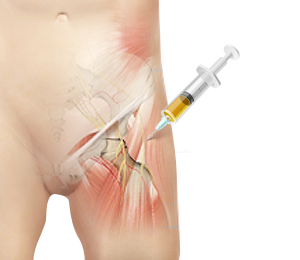 Platelet Rich Plasma (PRP) Injections for the Hip
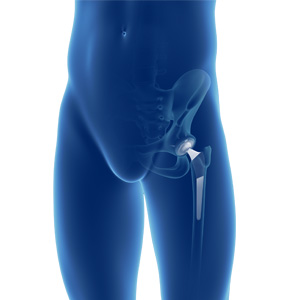 Primary Hip Replacement
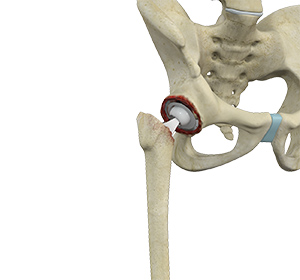 Revision Hip Replacement
- Revision Hip Surgery
 Robotic Anterior Total Hip Arthroplasty
 Robotic-Assisted Hip Replacement
 Robotic Total Hip Replacement
 Total Hip Replacement
 Trochanteric Bursectomy
 Ultrasound Guided Hip Injections
 Osteoarthritis of the Hip Treatment
 Post-Traumatic Hip Arthritis Treatment
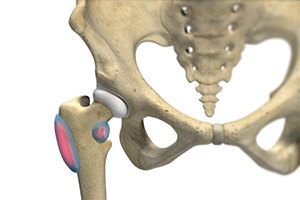 Hip Bursitis Treatment
- Hip Fracture Treatment
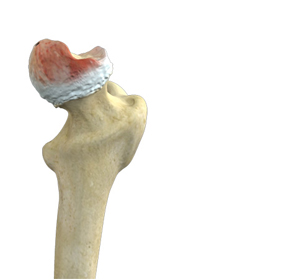 Hip Osteonecrosis Treatment
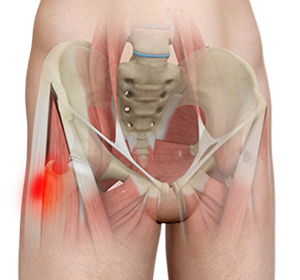 Hip Tendonitis Treatment
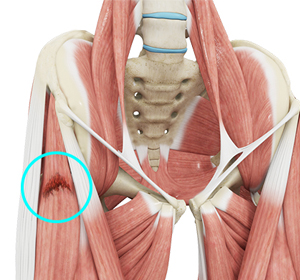 Hip Muscle Strain Treatment
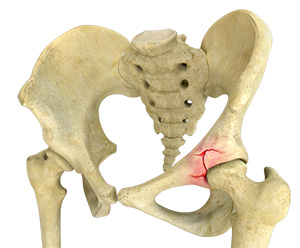 Acetabular Fracture
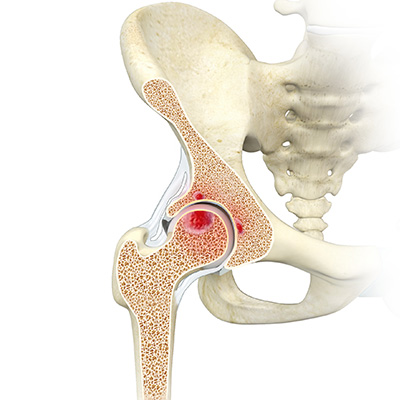 Acetabular Subchondral Cysts
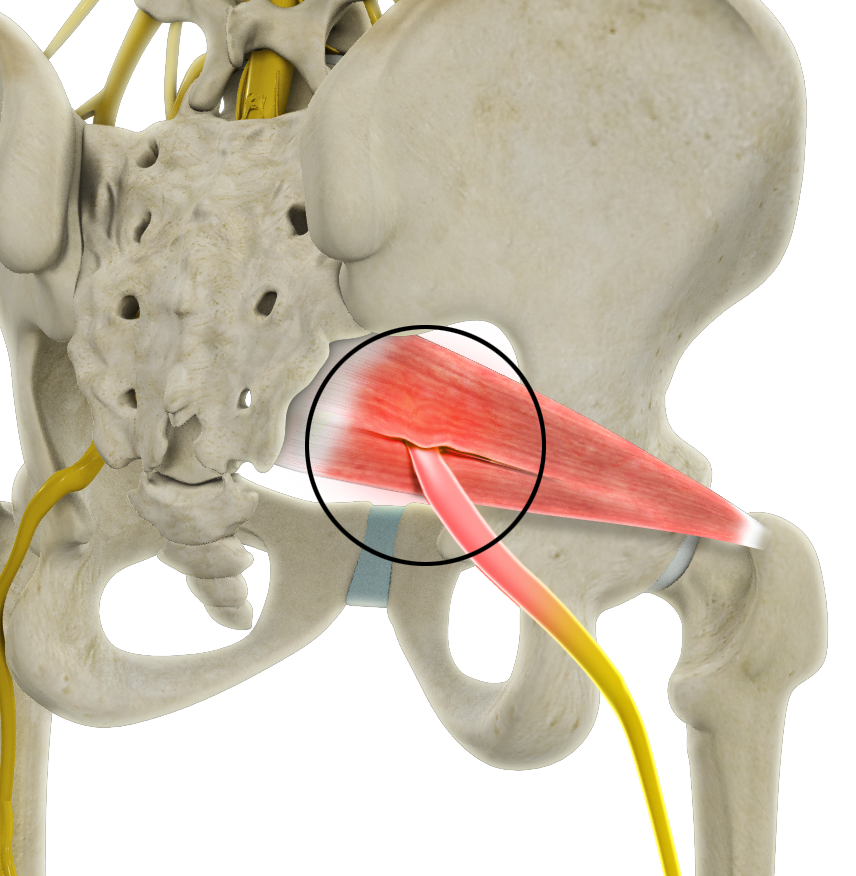 Deep Gluteal Pain Syndrome
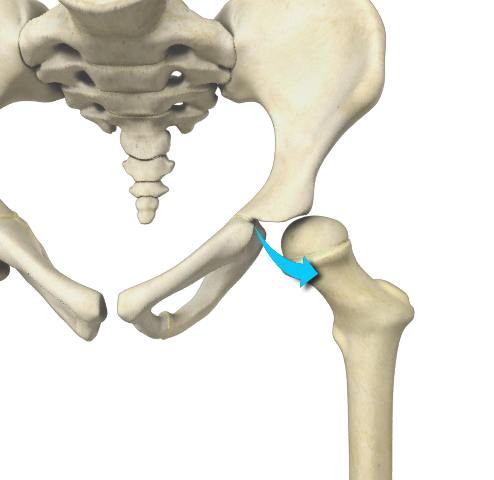 Developmental Dysplasia
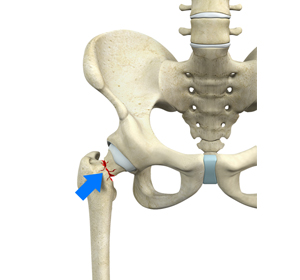 Femoral Neck Fracture
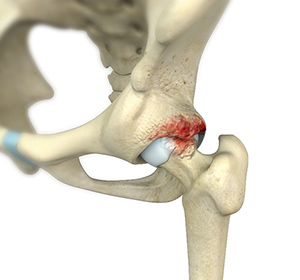 Femoroacetabular Impingement
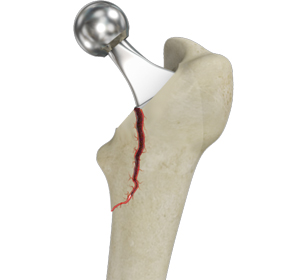 Femur Fracture
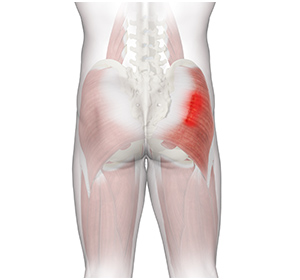 Gluteal Strain
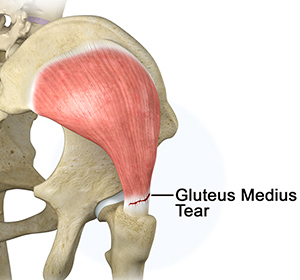 Gluteus Medius Tear
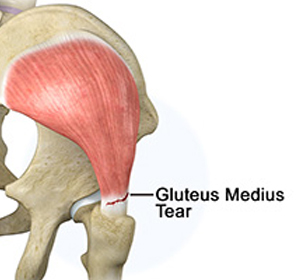 Gluteus Tendon Tear
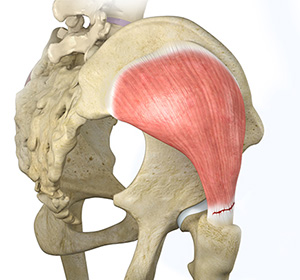 Hip Abductor Tears
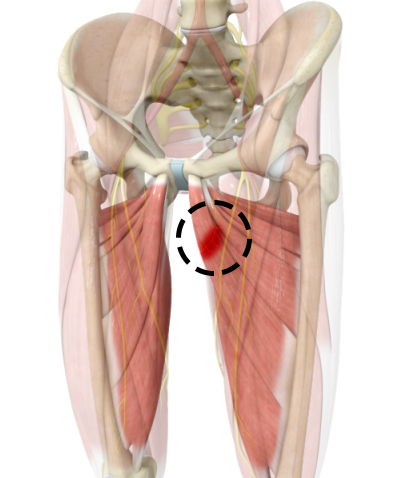 Hip Adductor Injuries
- Hip Bursitis
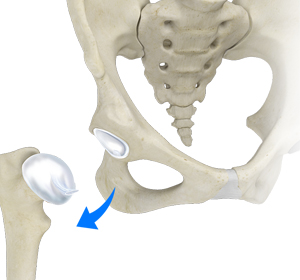 Hip Dislocation
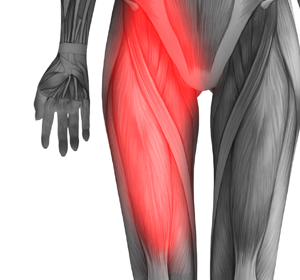 Hip Flexor Pain
- Hip Fracture
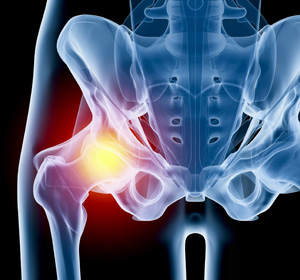 Hip Injury
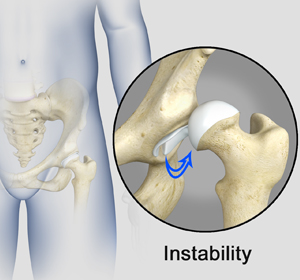 Hip Instability
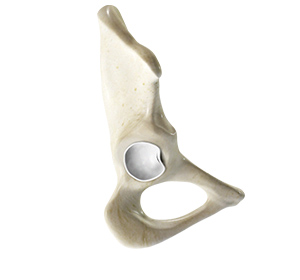 Hip Labral Tear
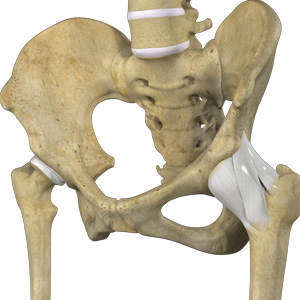 Hip Ligament Injuries
- Hip Muscle Strain
- Hip Osteonecrosis
- Hip Pain
- Hip Tendonitis
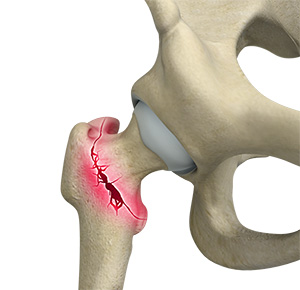 Intertrochanteric Fractures
- Osteoarthritis of the Hip
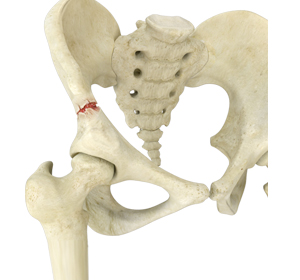 Pelvic Fractures
- Post-Traumatic Hip Arthritis
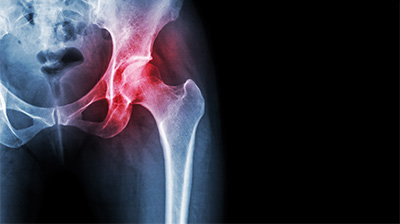 Rheumatoid Arthritis of the Hip
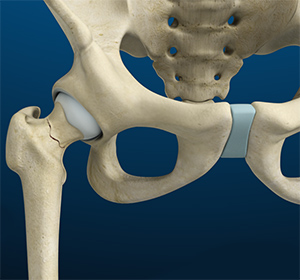 Stress Fractures of the Hip
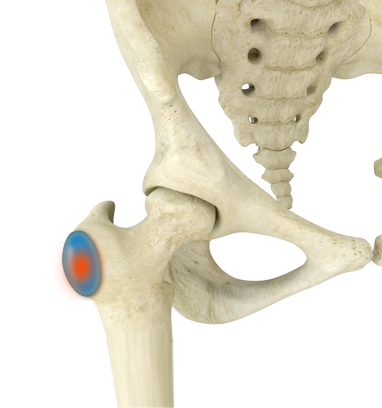 Trochanteric Bursitis