

Trochanteric Bursectomy
What is Trochanteric Bursitis?
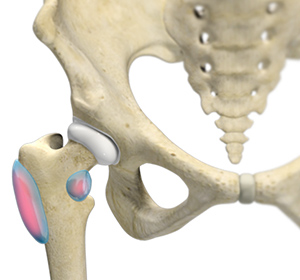
Trochanteric bursitis, also known as greater trochanteric bursitis or hip bursitis, is a painful condition caused by inflammation of the trochanteric bursa that overlies the greater trochanter (bony prominence at the outer side of the hip). A bursa is a small sac filled with fluid that acts as a cushion and allows frictionless movement between the muscles and bone. Trochanteric bursitis results in pain on the outer portion of the hip that usually increases with prolonged walking or climbing stairs.
Trochanteric bursitis most commonly occurs from overuse and subsequent inflammation of the bursa from repetitive activities like running, climbing stairs, bicycling, or prolonged standing, It can also result from an injury or fall, or after a surgical procedure on the hip. The condition is often seen with sports such as football and soccer, or other activities that involve a lot of running. It is more common among women and middle-aged to elderly people. Bursitis is the leading cause of hip pain.
Tyler Bron, M.D.
Board-certified Orthopaedic SurgeonDr. Bron completed his fellowship in Adult Reconstruction, specializing in the treatment of arthritic hip & knee conditions at the University of Colorado in Aurora. He received specialized training in dealing with complex injuries of the hip and knee & has a particular interest in the treatment of hip arthritis through a muscle-sparing Anterior Approach. Dr. Bron works diligently with each & every patient to customize treatment plans & optimize outcomes to meet the patient’s individual goals.
What is Trochanteric Bursectomy?
A bursectomy is the surgical removal of a bursa. An arthroscopic bursectomy is known as a trochanteric bursectomy when the greater trochanter is involved. The greater trochanter is the ridge at the top of the femur. Trochanteric bursectomy is usually performed arthroscopically as a minimally invasive procedure. An arthroscope is a small, fiber-optic instrument consisting of a lens, light source, and video camera. The camera displays images of the inside of the joint onto a monitor, allowing your surgeon to assess any damage and perform a repair.
What is the Procedure for Trochanteric Bursectomy?
The surgery is performed under general or regional anesthesia and involves the following steps:
- Arthroscopic portals are inserted through a small incision at the joint.
- Your surgeon performs diagnostic arthroscopy to view the inflamed bursae.
- Special surgical instruments are inserted through another small incision.
- Your surgeon carefully removes the inflamed bursae and any surrounding scar tissue
- The incisions are closed and a bandage is applied.
What are the Risks and Complications of Trochanteric Bursectomy?
Complications are few but can include:
- Formation of blood clots (DVT)
- Bleeding and infection
- Damage to nerves or blood vessels
Schedule an Appointment
Our team is here to answer your questions and help you find the right treatment for your condition.