

Knee
Because the knee is the largest joint in the body, knee problems are a common occurrence. When you are suffering from severe knee pain and you’ve exhausted all conservative methods of pain management, knee replacement surgery might be your next step. Whether your pain comes from an injury, normal wear and tear, or it is hereditary, I am here to help.
As an orthopaedic surgeon and specialist in hip and knee replacement surgery in Colorado Springs, I understand the anxiety people have when considering surgery for anything. It is a big decision. Knee replacement surgery, however, has become one of the most common types of surgery for people with osteoarthritis and has a very high success rate.
While knee replacement surgery is routine for me, I understand that it is something you may only do once in your lifetime. When you visit my office, the first thing we’ll do is review your history and any tests you’ve had. If needed, we’ll order tests and x-rays. We’ll ensure that all the conservative options for treating your knee pain have been exhausted prior to exploring surgery.
Once it is clear surgery is the right option, we’ll talk through the process, so you’ll know what to expect. And, most important I will listen to your concerns and make sure to answer all the questions you have. Our goal is to ensure that you are as comfortable with your decision as possible.
Robotic Knee Replacement
In Colorado Springs, I am one of a few doctors who perform robotic knee replacement surgery (also called Mako Robotic-Arm Assisted Total Knee replacement.) The Mako robotic arm can be used for total knee replacement or partial knee replacement.
Robotic knee replacement uses a CT Scan to create a personalized replacement plan based on your unique bone structure. This allows for more accurate bone removal and implant replacement. This technique reduces the risk of injury to adjacent tissues and creates smaller incisions which can mean a quicker recovery and less pain.
Knee Revision Surgery
When a person has had total knee replacement surgery that was either not done right or ended in infection of the knee or generated excessive scar tissue, knee revision surgery is required to correct the issues or remove the infection.
Typically, total knee replacement will last up to 20 years. After 20 years of use the implants can begin to wear or loosen. This can cause the patient’s knee to swell, become stiff, unstable and painful. To correct this revision surgery is performed to replace any mis-fitting or worn parts.
Knee revision surgery is more complex than the original knee replacement surgery. Although you may have had all three parts of the knee replaced originally, knee revision surgery may only be required on some of the parts. Additionally, bone around the knee may have deteriorated and need to be augmented.
Ensuring the Success of Your Surgery
One of the major complications that can occur following knee surgery is infection. To ensure the success of your surgery I do everything that has been shown to be effective to minimize the possibility of infection. Because of this my infection rate is 1/32 of the national average or 1/4 of one percent.
Find Out If Knee Replacement Surgery is Right for You
To find out if knee replacement surgery is the right next step for you, schedule an appointment with my office today. Call (719) 632-7669(719) 632-7669
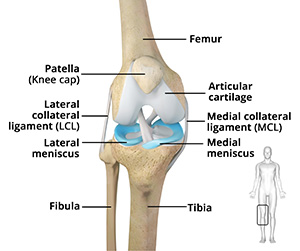
Knee Anatomy
The knee is a complex joint made up of different structures - bones, tendons, ligaments, and muscles. They all work together to maintain the knee’s normal function and provide stability to the knee during movement.
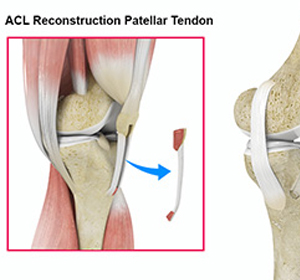 ACL Reconstruction
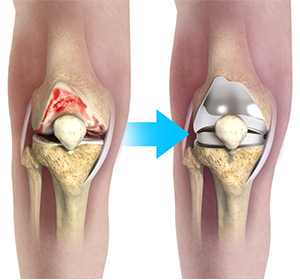 Complex Total Knee Replacement
 Knee Injections
 Knee Pain Treatment
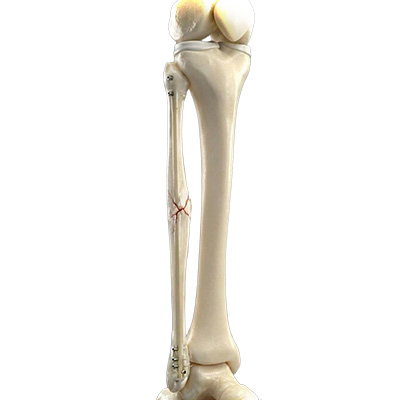 Fibula Fracture Care
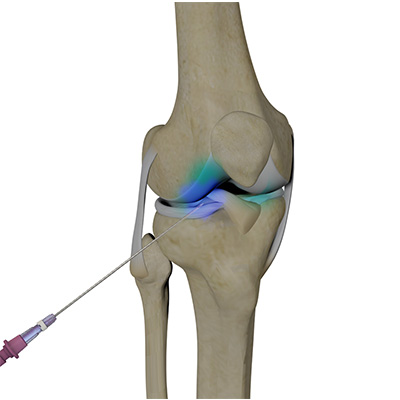 Intraarticular Knee Injection
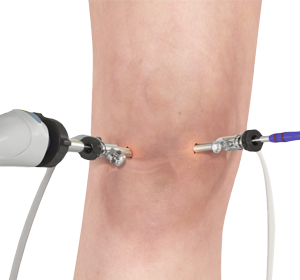 Knee Arthroscopy
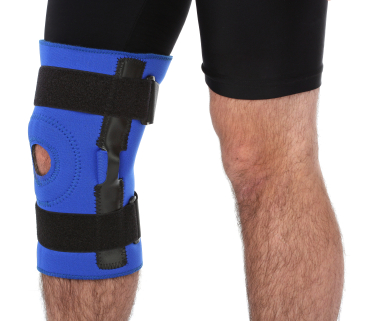 Knee Bracing
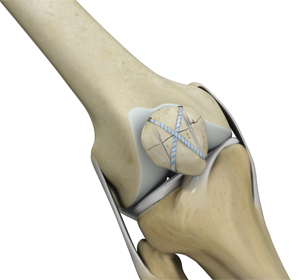 Knee Fracture Surgery
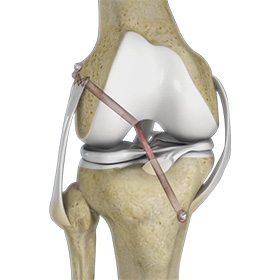 Knee Ligament Reconstruction
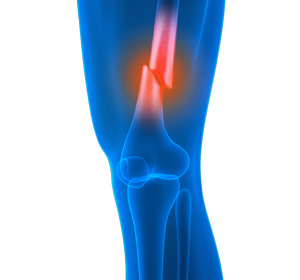 Knee Fracture Treatment
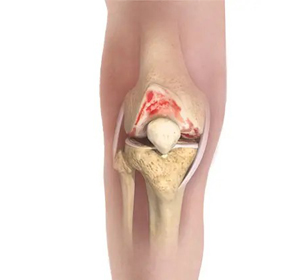 Knee Osteoarthritis Treatment
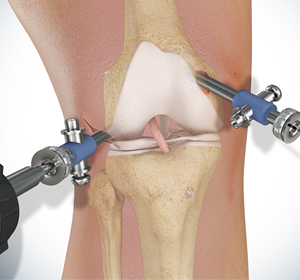 Knee Surgery
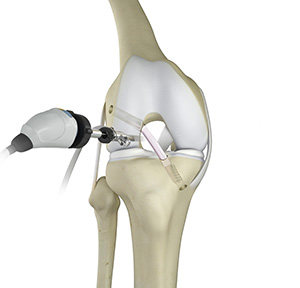 Knee Trauma Reconstruction
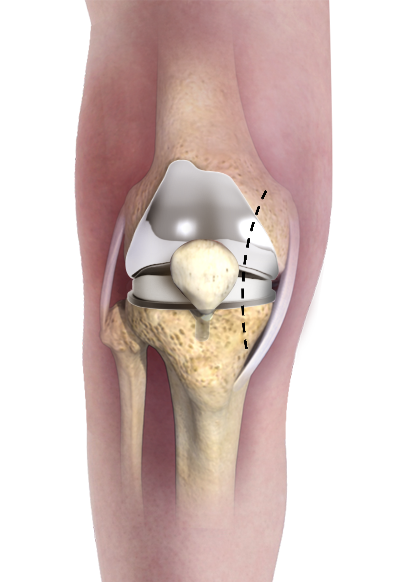 Lateral Approach Total Knee Replacement
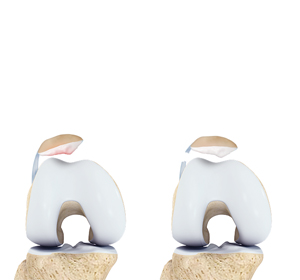 Lateral Lengthening
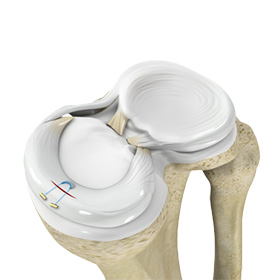 Meniscal Repair Surgery
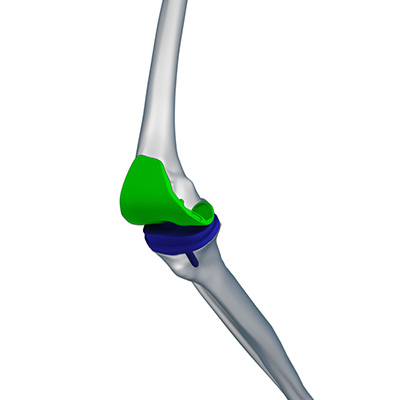 Outpatient Robotic Knee Replacement
 Outpatient Total Knee Replacement
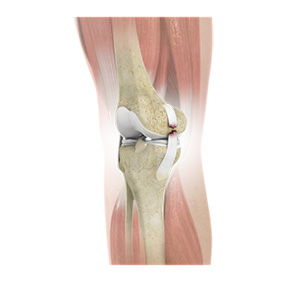 Knee Ligament Tear Treatment
 Outpatient Unicondylar Knee Replacement
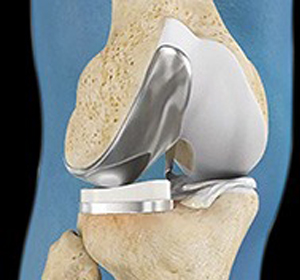 Partial Knee Resurfacing
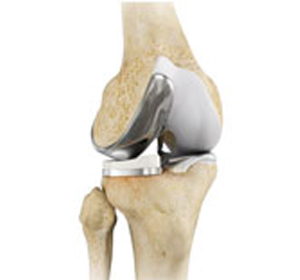 Partial Lateral Knee Replacement
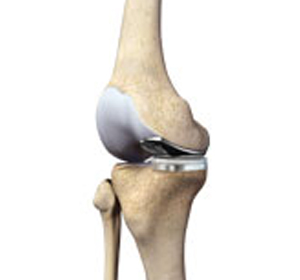 Partial Medial Knee Replacement
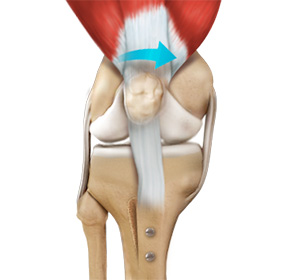 Patella Stabilization
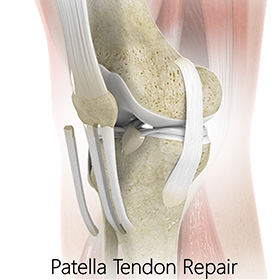 Patellar Tendon Repair
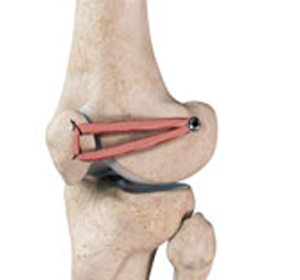 Patellofemoral Knee Replacement
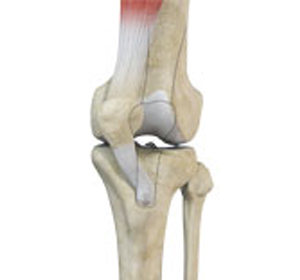 Patellofemoral Realignment
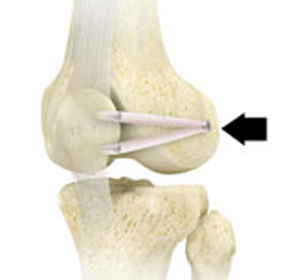 Patellofemoral Stabilization
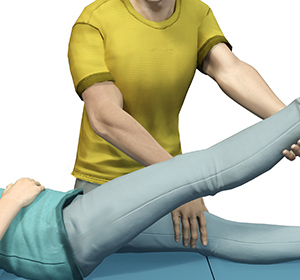 Physical Examination of the Knee
 Physical Therapy for Knee
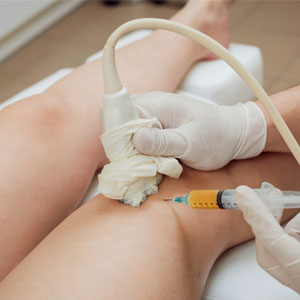 Platelet Rich Plasma (PRP) Injections for the Knee
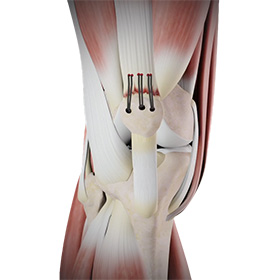 Quadriceps Tendon Repair
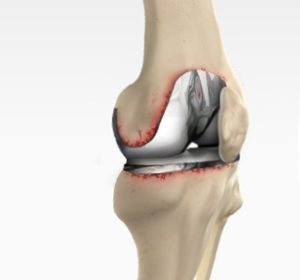 Revision Knee Replacement
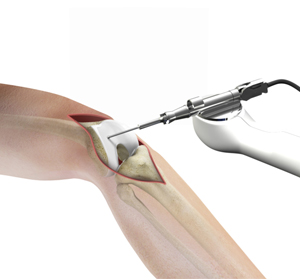 Robotic-Assisted Knee Replacement
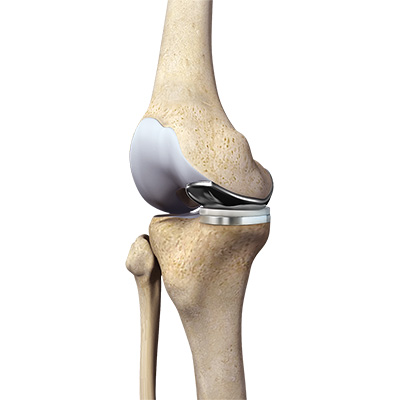 Robotic Assisted Partial Knee Surgery
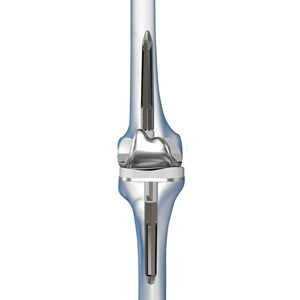 Robotic-Assisted Revision Knee Replacement
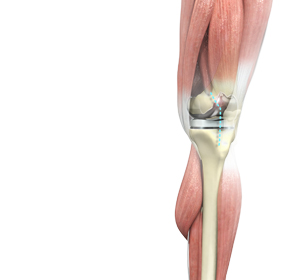 Total Knee Replacement
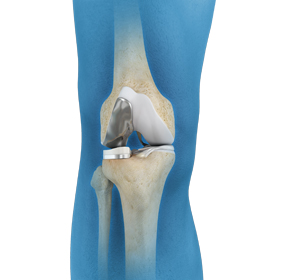 Unicompartmental/Partial Knee Replacement
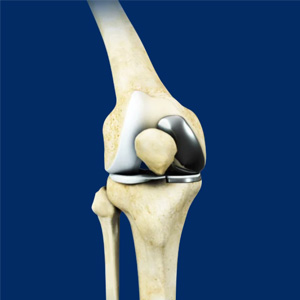 Unicondylar Knee Replacement
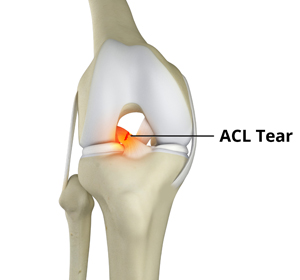 ACL Tears
 Anterior Knee Pain
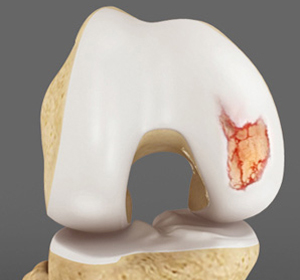 Articular Cartilage Injury (Knee)
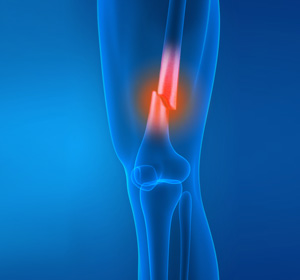 Distal Femur Fracture
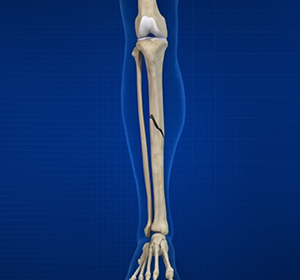 Fractures of the Tibia
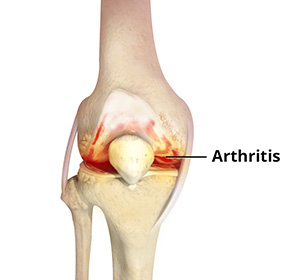 Knee Arthritis
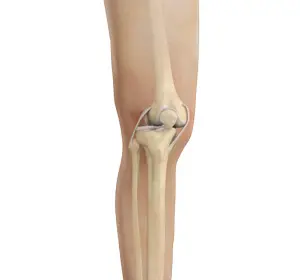 Knee Dislocation
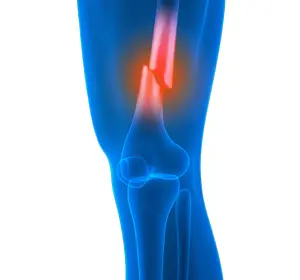 Knee Fracture
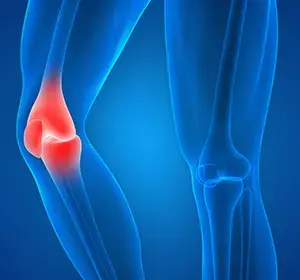 Knee Injury
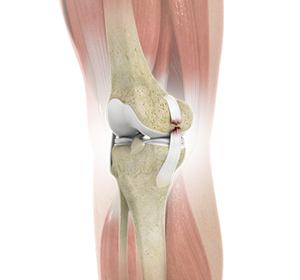 Knee Ligament Injuries
- Knee Osteoarthritis
 Knee Pain
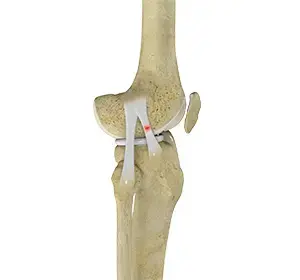 Knee Sprain
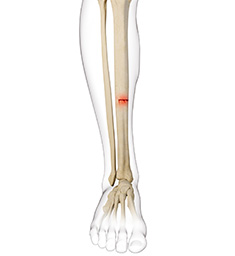 Knee Stress Fractures
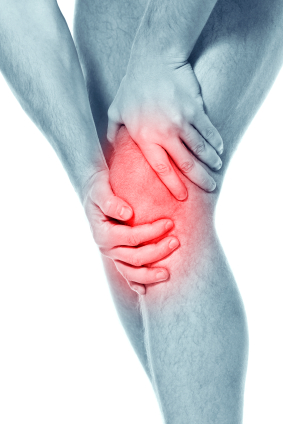 Knee Trauma
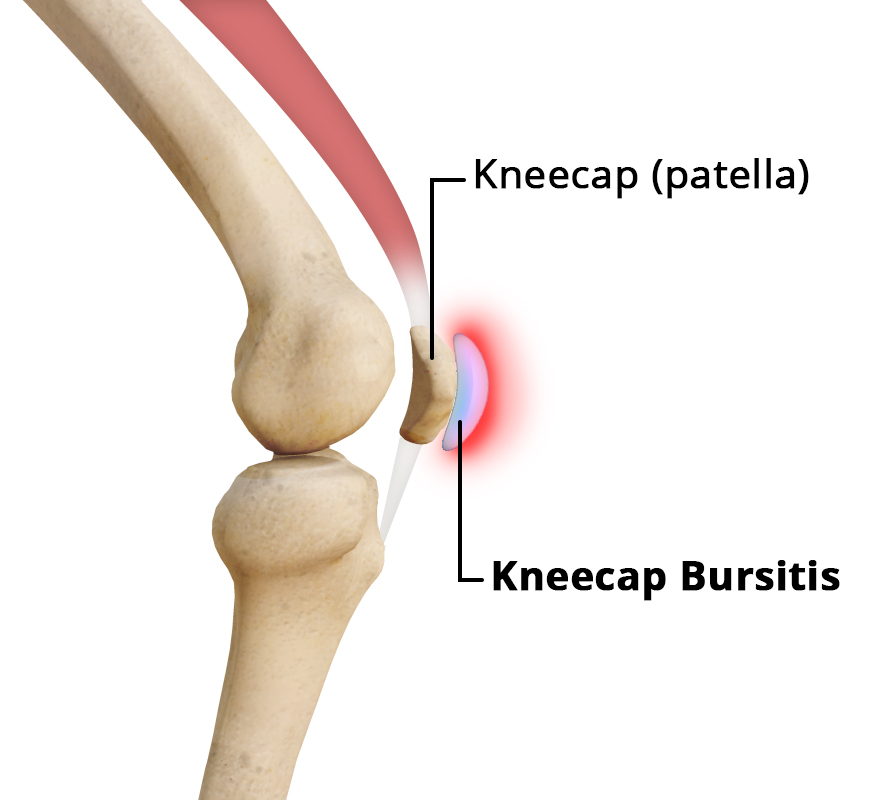 Kneecap Bursitis
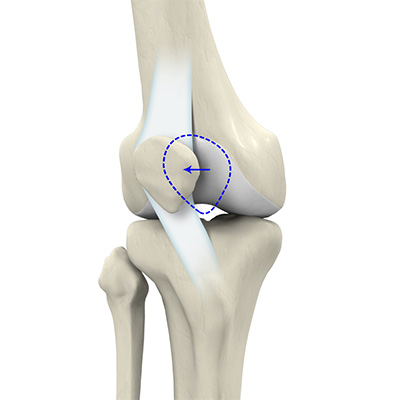 Lateral Patellar Instability
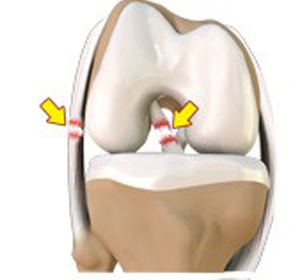 Multiligament Instability
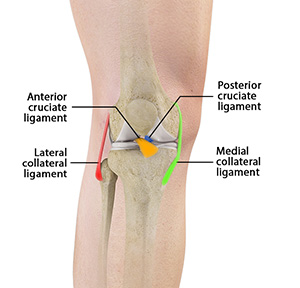 Multiligament Knee Injuries
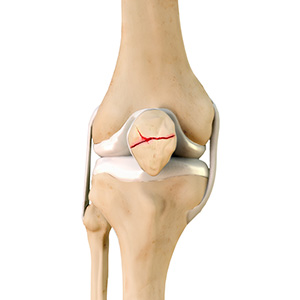 Patella Fracture
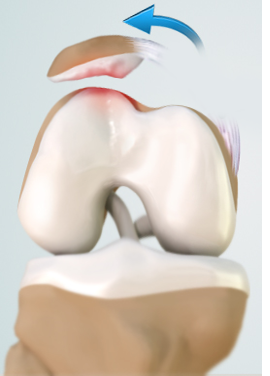 Patellar Dislocation/Patellofemoral Dislocation
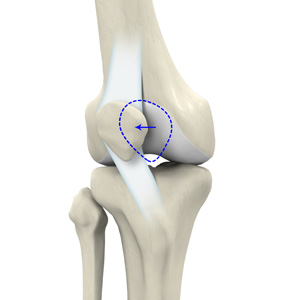 Patellar Instability
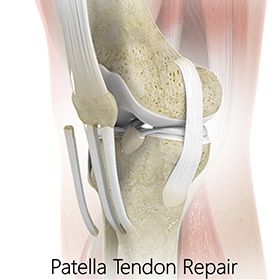 Patellar Tendon Tear
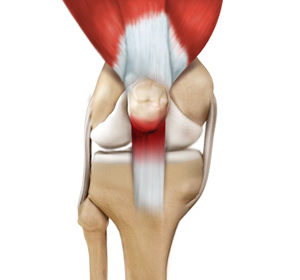 Patellar Tendonitis
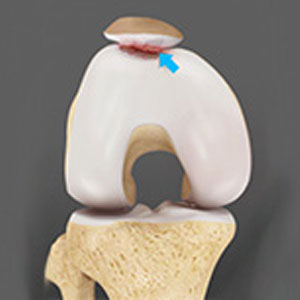 Patellofemoral Arthritis
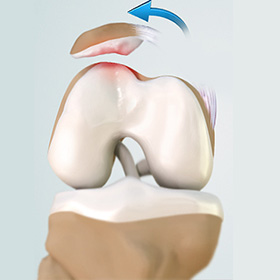 Patellofemoral Instability
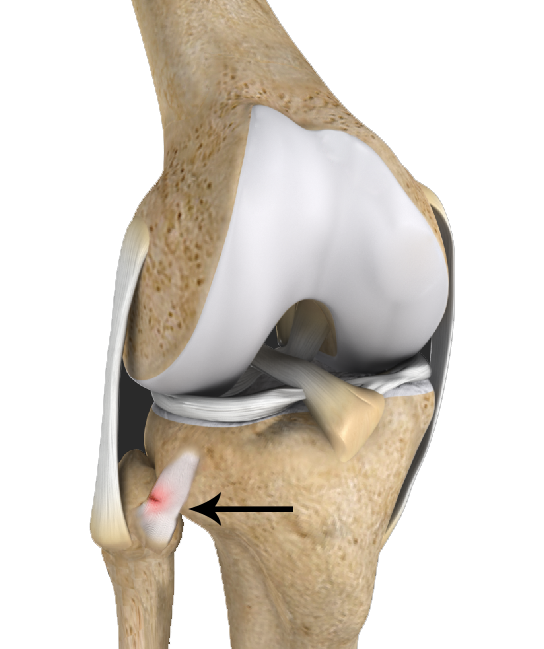 Proximal Tibiofibular Joint Instability
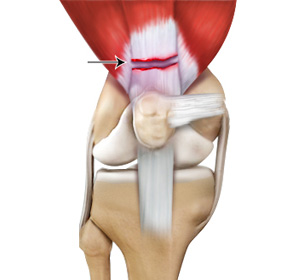 Quadriceps Tendon Rupture
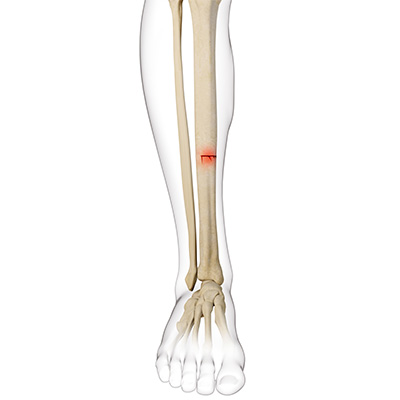 Stress Fracture of the Tibia
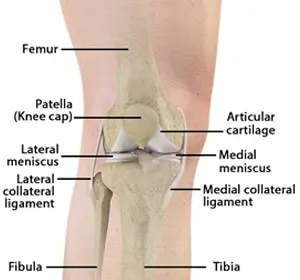 Unstable Knee
What is Knee Replacement Surgery?
Knee replacement surgery is the replacement of the damaged parts of your knee with new artificial parts. In total knee replacement surgery, we remove damaged cartilage from the shin bone and thigh bone. Then replace the removed cartilage with metal components that create a new surface for the joint. If needed, the kneecap is resurfaced with a plastic button. A medical-grade plastic spacer is placed between the metal components to allow for the new parts to glide easily. Partial knee replacement is where only one or two parts are replaced.
How long does knee replacement surgery take?
Knee replacement surgery is typically performed as inpatient surgery and takes about 1 to 2 hours. Most patients go home the day after surgery.
How long does it take to recover from knee replacement surgery?
You will be back up and walking with the assistance of a walker or crutches immediately following your surgery. In the first few weeks you will go to rehab to strengthen your knee and get greater range of motion. By week four you should be walking on your own. During the first 3 to six months you might still have some swelling, and possibly some mild pain. Total recovery can take up to one year. Of course, this depends upon the amount of effort you put into your rehab exercises.
What can I do after I recover from knee replacement surgery?
After you recover you will be able to do low impact activities. These include walking, light hikes, playing doubles tennis, weight training, and swimming, skiing, biking, and kayaking. You’ll want to avoid high impact activities like running, jogging, basketball or jumping rope as these can loosen or break your implant.
How do I know it is the right time?
It is the right time for knee replacement surgery if:
- You’ve tried all conservative possibilities for treatment, and nothing is getting better.
- Your pain is so severe that it prevents you from doing the daily activities you enjoy most.
- You have knee pain day and night even while you are resting.
- You have swelling that doesn’t respond to medication.
- Your leg is bowed out.
- Medication doesn’t relieve your pain.
Will I be able to kneel?
You should be able to kneel although it may be uncomfortable.
How long will my new knee last?
Your new knee should last at least 20 years. Then you might need revision surgery to replace any worn parts.
Can I get both knees done at once?
You can have knee replacement surgery on both knees at once but it will be more difficult and has higher risks. In general, I don’t recommend it for most people. The possibility of major complications is higher when both knees are done together.
What are the problems that can occur?
While knee replacement surgery is the most successful of all surgeries there are still problems that can occur. These include infection, instability, loosening of the components, continuing pain, and stiffness.
Will the metal detector go off at the airport?
Yes, your new knee will cause the metal detector to go off at the airport. Be sure to leave extra time when travelling and let the TSA agent know that you have an artificial knee.