

Knee Pain Treatment in Colorado Springs, CO
Knee pain in Colorado Springs, CO can make everyday activities such as walking, climbing stairs, exercising, or simply standing uncomfortable. Knee pain may result from arthritis, sports or other injuries, meniscus or ligament problems, inflammation, or conditions affecting the structures surrounding the knee.
Finding the underlying cause of your knee pain is an important first step toward appropriate treatment. Depending on the diagnosis and severity of your symptoms, treatment may include activity modification, medications, physical therapy, knee injections, or surgery when appropriate.
Dr. Tyler Bron, MD, is a board-certified orthopaedic surgeon specializing in adult reconstruction and hip and knee conditions. He provides individualized evaluation and treatment planning for patients experiencing knee pain in Colorado Springs, with both nonsurgical and surgical options considered based on each patient's condition and goals.
What is Knee Pain?
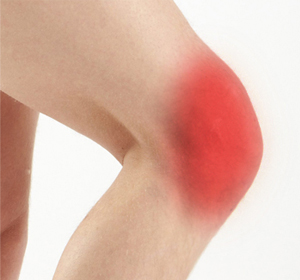
Knee pain is a common condition affecting individuals of various age groups. It not only affects movement but also impacts your quality of life. An injury or disease of the knee joint or any structure surrounding the knee can result in knee pain. A precise diagnosis of the underlying cause is important to develop an appropriate treatment plan.
What is the Knee Joint Comprised Of?
The knee is one of the largest joints in the body, formed by the lower end of the thighbone or femur, the upper end of the tibia or shinbone and the patella or kneecap. Several ligaments and muscles attach to the bones of the knee joint to maintain the normal motion and stability of the joint. The articular ends of the bones are lined by smooth cartilage allowing the bones to glide over each other during movement. C-shaped pads of cartilage called menisci, located between the bone ends, act as shock absorbers during movement.
What are the Causes of Knee Pain?
Some of the common causes of knee pain include:
- Arthritis, a condition associated with inflammation of the joint due to loss of articular cartilage
- Knee ligament injuries
- Meniscal tears
- Knee joint infection
- Dislocation of the kneecap or patella
- Patellar tendonitis, which is inflammation of the tendon connecting the kneecap to the shinbone
- Knee bursitis, which is inflammation of the bursae, small fluid-filled sacs located around the joints, usually between a tendon and bone
- Gout or accumulation of uric acid crystals in the joints causing severe attacks of joint pain, swelling and redness
What are the Signs and Symptoms of Knee Pain?
Some of the common signs and symptoms that accompany knee pain include:
- Swelling and redness
- Inability to bend or extend the knee
- Difficulty walking
- Limping due to discomfort
- Difficulty weight-bearing
- Weakness or instability
- Popping or crunching noises
How is Knee Pain Diagnosed?
Diagnosis involves a detailed review of your medical history and a physical examination of the knee. Your doctor may also conduct diagnostic imaging studies such as X-rays, MRI, CT, and ultrasound scans. Blood tests may be performed to identify infection or gout. Sometimes, a procedure called arthrocentesis may also be performed, where fluid from the knee joint is removed and sent to the laboratory for analysis.
What is the Treatment for Knee Pain?
Treatment options depend upon the underlying cause responsible for the knee pain.
Some of the common treatment options for knee pain include:
- RICE protocol: Rest, ice, compression, and elevation of the affected knee joint
- Medications
- Stretching and physical therapy
- Knee injections
Sometimes, a knee arthroscopy may be performed. Knee arthroscopy is a surgical procedure in which the internal structures of the joint are examined to diagnose as well as treat the underlying problem. In severe cases of knee pain, your doctor may advise a knee replacement as a permanent solution.
Why Choose Dr. Tyler Bron for Knee Pain Treatment in Colorado Springs?
Knee pain can have many different causes, so accurate evaluation is important for selecting an appropriate treatment approach. Dr. Tyler Bron provides comprehensive orthopaedic care focused on identifying the source of knee symptoms and developing an individualized treatment plan.
- Board-certified orthopaedic surgeon: Bron is board certified by the American Board of Orthopaedic Surgery.
- Specialized adult reconstruction training: He completed orthopaedic surgery residency training through the University of Kansas and an adult reconstruction fellowship at the University of Colorado.
- Comprehensive knee care: His practice includes treatment of knee arthritis and other conditions, along with partial, total, and revision knee replacement.
- Nonsurgical treatment options: Depending on the cause of your symptoms, treatment may include physical therapy, activity modification, medications, or knee injections.
- Advanced surgical options: When conservative treatments are not sufficient and significant structural problems are present, appropriate surgical options can be discussed.
- Individualized treatment planning: Treatment recommendations are based on your diagnosis, symptoms, imaging, activity level, overall health, and goals.
- Patient-centered communication: Bron emphasizes listening to patients, maintaining open communication, and helping them understand their available treatment options.
Knee Pain FAQs
Knee pain can result from osteoarthritis, ligament or meniscus injuries, tendon problems, bursitis, inflammatory conditions, gout, infection, kneecap problems, or other injuries and disorders affecting the knee.
Consider an orthopaedic evaluation if knee pain persists, repeatedly returns, limits your activities, or is accompanied by swelling, instability, stiffness, or difficulty walking. Severe pain following an injury or an inability to bear weight may require prompt medical evaluation.
Diagnosis generally begins with a review of your symptoms and medical history and a physical examination. Depending on the suspected cause, your doctor may recommend X-rays, MRI, CT, ultrasound, blood tests, or analysis of joint fluid.
Yes. Osteoarthritis is a common cause of knee pain and occurs when the protective cartilage in the joint gradually deteriorates. Arthritis can cause pain, stiffness, swelling, and difficulty with movement.
Many causes of knee pain can initially be managed with nonsurgical treatments. Depending on the condition, options may include activity modification, physical therapy, medications, injections, and other conservative measures.
Physical therapy may help improve strength, flexibility, mobility, balance, and function for certain knee conditions. A physical therapist can develop exercises based on your diagnosis and individual capabilities.
Knee injections may be used to help manage pain and inflammation associated with certain knee conditions. Depending on the diagnosis, an orthopaedic specialist may consider options such as corticosteroid or hyaluronic acid injections.
Yes. A torn meniscus can cause pain, swelling, stiffness, clicking, or difficulty moving the knee. Treatment depends on factors such as the type and location of the tear, symptoms, age, activity level, and associated knee damage.
Yes. Ligament injuries can cause pain, swelling, instability, or a sensation that the knee is giving way. An examination and appropriate imaging can help determine whether a ligament has been injured.
Knee replacement may be considered when advanced joint damage causes persistent pain and functional limitations despite appropriate nonsurgical treatment. The decision depends on the severity of arthritis or other joint damage, symptoms, overall health, and individual goals.
Depending on the cause, temporary activity modification, ice, elevation, and other conservative measures may help with symptoms. However, persistent or worsening knee pain should be evaluated to determine its underlying cause.
Some conditions, particularly degenerative joint problems such as osteoarthritis, can progress over time. Early evaluation can help identify the cause and provide an opportunity to discuss appropriate treatment options.
Schedule a Knee Pain Evaluation in Colorado Springs, CO
Persistent knee pain can interfere with your mobility and quality of life. An orthopaedic evaluation can help identify the cause of your symptoms and determine whether conservative treatment, injections, physical therapy, or surgery may be appropriate.
Dr. Tyler Bron provides knee pain evaluation and treatment in Colorado Springs, CO, with individualized care for arthritis, injuries, and other conditions affecting the knee.
Contact Colorado Springs Orthopaedic Group to schedule a consultation with Dr. Bron and discuss your knee pain treatment options in Colorado Springs.
Schedule an Appointment
Our team is here to answer your questions and help you find the right treatment for your condition.