

Knee Stress Fractures
What are Knee Stress Fractures?
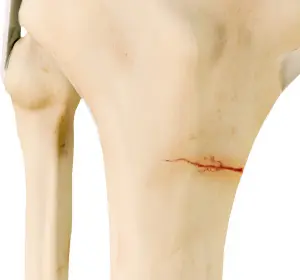
Stress fractures of the patella or knee are very rare. Approximately two out of 10,000 athletes may experience a patella stress fracture. Initial symptoms include activity-related pain and then a fatigue stress fracture after minor trauma. The term insufficiency stress fracture is used for cases where the patella is weakened previously such as after patella resurfacing surgery.
What are the Causes of Stress Fractures of the Knee?
Typically, stress fractures of the knee are caused by:
- Exposures to forces applied in a repetitive, rhythmic, and sub-threshold manner
- Fatigue or insufficiency
- A combination of muscular weakness, which initiates a disturbance in bone remodeling
Tyler Bron, M.D.
Board-certified Orthopaedic SurgeonDr. Bron completed his fellowship in Adult Reconstruction, specializing in the treatment of arthritic hip & knee conditions at the University of Colorado in Aurora. He received specialized training in dealing with complex injuries of the hip and knee & has a particular interest in the treatment of hip arthritis through a muscle-sparing Anterior Approach. Dr. Bron works diligently with each & every patient to customize treatment plans & optimize outcomes to meet the patient’s individual goals.
What are the Signs and Symptoms of Stress Fractures of the Knee?
The main symptom of a stress fracture in the knee involves a worsening anterior knee pain followed by a popping sound if the stress fracture displaces acutely
How are Stress Fractures of the Knee Diagnosed?
Radiographs (X-rays) are frequently normal. Your doctor may also order a bone scan and MRI to confirm the diagnosis
What is the Treatment for Stress Fractures of the Knee?
Treatment mainly depends on the extent of the fracture, whether complete or incomplete, or displaced. Incomplete fractures may be treated with activity modification alone. Your doctor may call for an immediate cessation of activities that place stress on the bone
Additionally, your doctor may recommend:
- Modification of activities in order to relieve symptoms
- Crutches (in mild cases) until the symptoms resolve
- Complete rest if the fracture area is large
Complete fractures require immobilization until healing occurs. For displaced fractures, your doctor may opt for operative reduction and internal fixation to restore natural biomechanics. For full recovery, prolonged rehabilitation will be required.
Schedule an Appointment
Our team is here to answer your questions and help you find the right treatment for your condition.