

Knee Dislocation
What is Knee Dislocation?
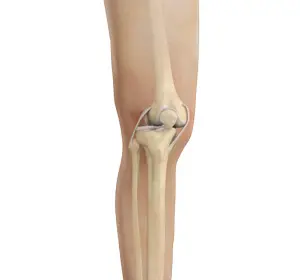
Knee dislocation is a condition that occurs when the bones that form the knee joint, namely the femur or thigh bone get separated from the shin bone. This can cause serious damage to the nerves, blood vessels, and ligaments surrounding the knee, leading to a decline in strength and overall health of the leg.
What are the Causes of Knee Dislocation?
Dislocation of the knee is rare. When it does occur, it is usually caused due to high impact injuries from automobile accidents, severe falls, or sports.
Tyler Bron, M.D.
Board-certified Orthopaedic SurgeonDr. Bron completed his fellowship in Adult Reconstruction, specializing in the treatment of arthritic hip & knee conditions at the University of Colorado in Aurora. He received specialized training in dealing with complex injuries of the hip and knee & has a particular interest in the treatment of hip arthritis through a muscle-sparing Anterior Approach. Dr. Bron works diligently with each & every patient to customize treatment plans & optimize outcomes to meet the patient’s individual goals.
What are the Symptoms of Knee Dislocation?
The dislocation of the knee can occur quickly. You may hear a popping sound at the time of the injury. Other symptoms can include:
- Severe pain
- Visible deformity at the knee joint
- Swelling
- Instability of the knee joint
- Limitations in the movement of the knee
How is Knee Dislocation Diagnosed?
Your doctor will review your symptoms and medical history and perform a thorough physical examination to check for a range of motion and any damage to the ligaments, blood flow, stability, and skin color. The following diagnostic tests may be performed for further evaluation of the injured knee.
- X-rays: During this study, high electromagnetic energy beams are used to produce images of the bones
- CT scan: Special X-rays are used to produce images of any damage in the knee
How is Knee Dislocation Treated?
You will be instructed to apply an ice pack and keep your knee in an elevated position to reduce swelling. Depending on your condition, your doctor will place the affected leg in a therapeutic brace to keep it stable and may prescribe medications to reduce pain and swelling. You may need surgery to repair any damaged ligaments, blood vessels, nerves, or any adjacent structures of the knee.
Schedule an Appointment
Our team is here to answer your questions and help you find the right treatment for your condition.