

Hip Muscle Strain Treatment in Colorado Springs, CO
A hip muscle strain occurs when muscles or their associated tendons around the hip are overstretched or torn. Strains can develop during sports, exercise, sudden movements, falls, direct impact, or activities that place excessive stress on the muscles. Depending on the severity of the injury, a hip muscle strain may cause pain, swelling, tenderness, weakness, and difficulty moving the affected leg.
If you have developed hip pain after an injury or physical activity in Colorado Springs, an orthopaedic evaluation can help determine whether a muscle strain is responsible for your symptoms. It is also important to distinguish a muscle strain from other causes of hip pain, such as fractures, tendon injuries, bursitis, or joint problems.
Tyler Bron, M.D.
Board-certified Orthopaedic SurgeonDr. Bron completed his fellowship in Adult Reconstruction, specializing in the treatment of arthritic hip & knee conditions at the University of Colorado in Aurora. He received specialized training in dealing with complex injuries of the hip and knee & has a particular interest in the treatment of hip arthritis through a muscle-sparing Anterior Approach. Dr. Bron works diligently with each & every patient to customize treatment plans & optimize outcomes to meet the patient’s individual goals.
Dr. Tyler Bron, MD, a board-certified orthopaedic surgeon specializing in adult reconstruction and hip and knee conditions, provides evaluation and treatment for a range of hip problems. Treatment for a hip muscle strain in Colorado Springs generally depends on the severity of the injury and may include activity modification, ice, medications, and a structured physical therapy or rehabilitation program. More significant injuries may require additional evaluation and treatment based on the specific structures involved.
What is Hip Muscle Strain?
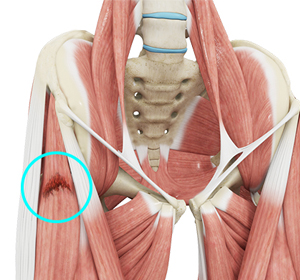
A tear in the muscle fibers caused by either a fall or direct blow to the muscle, overstretching and overuse injury can be called a muscle strain. Muscle strains often occur in the hip region whenever a muscle contracts suddenly from its stretched position. It can be mild, moderate or severe and depends on the level of injury. The chances of having a hip muscle strain become high if you have had a previous injury in the area or if there is no warm-up before exercising.
What are the Symptoms of Hip Muscle Strain?
The most common symptom of hip strain is pain and swelling in the area of injury. Pain may worsen on using the injured muscle and the strength in the muscle may also decrease.
How is Hip Muscle Strain Diagnosed?
Apart from the physical examination of your hip and leg, your doctor may order an X-ray to rule out a stress fracture of the hip and confirm the diagnosis.
What is the Treatment for Hip Muscle Strain?
Initial treatment aims at relieving pain and swelling. RICE protocol should be followed for mild to moderate strains. It includes:
- R-Rest: Avoid bearing excess weight on your hip. You should use crutches for the first 1-2 days after injury.
- I- Ice: Gently rub the area with ice. This decreases the swelling.
- C-Compression: Wrap a bandage over the area to help decrease the swelling.
- E-Elevation: Elevate the injured area above heart level.
Anti-inflammatory medications may also be prescribed to reduce swelling and pain. In the initial two days, your doctor may recommend application of heat to the area using hot soaks or heating pads. It is beneficial to be away from activities that cause the strain for 2 weeks. During this period, simple stretching and strengthening exercises can be performed to regain muscle strength.
How Can Hip Muscle Strain Be Prevented?
You can practice certain techniques to avoid straining the muscles around your hip. Stretching your muscles before starting any exercise or sports activity significantly reduces your risk. Also, remember to stretch the muscles slowly and hold the stretch for some time instead of performing many rapid stretches. Warm up every time before you stretch. Participate in a conditioning program to keep your muscles flexible and fit. Use protective gear that is appropriate for the sports activity you are involved in.
Why Choose Dr. Tyler Bron for Hip Muscle Strain in Colorado Springs?
Hip pain following exercise, sports, or an injury can have several possible causes. An orthopaedic evaluation can help determine the source of your symptoms and whether additional imaging or treatment is appropriate.
Board-Certified Orthopaedic Surgeon
Dr. Tyler Bron, MD, is a board-certified orthopaedic surgeon in Colorado Springs specializing in adult reconstruction and hip and knee conditions. He completed fellowship training in adult reconstruction through the University of Colorado.
Comprehensive Hip Evaluation
Pain following a muscle injury does not always come from the muscle itself. Tendon injuries, fractures, bursitis, and conditions affecting the hip joint can produce similar symptoms. Dr. Bron evaluates your symptoms, injury history, physical examination findings, and imaging when appropriate.
Individualized Treatment Plans
The appropriate treatment for a hip muscle strain depends on the location and severity of the injury, your activity level, and your recovery goals. Conservative treatment and rehabilitation may be appropriate for many strains, while more significant or persistent injuries may require additional orthopaedic evaluation.
Focus on Restoring Function
The goal of treatment is not simply to reduce pain but also to help restore strength, flexibility, mobility, and function. When physical therapy is appropriate, a rehabilitation program can help you gradually return to normal activities.
Hip Muscle Strain FAQs
A hip muscle strain occurs when a muscle or its tendon around the hip is overstretched or torn. It can range from a mild injury involving microscopic damage to a more significant tear.
Hip muscle strains can result from sudden movements, overstretching, repetitive activity, sports, falls, or direct impact. A sudden increase in exercise intensity or inadequate conditioning may also contribute to the risk of injury.
Symptoms may include pain, tenderness, swelling, muscle weakness, stiffness, and difficulty moving the affected leg. Pain often becomes more noticeable when the injured muscle is stretched or contracted.
Diagnosis generally begins with a medical history and physical examination. Your physician may assess the location of pain, muscle strength, range of motion, and how the injury occurred. X-rays may be recommended when a fracture or other bone injury needs to be ruled out. Additional imaging may be considered for more significant injuries.
Many mild and moderate muscle strains can improve with nonsurgical treatment. Depending on the injury, treatment may include temporary activity modification, ice, medications, and physical therapy or rehabilitation.
Recovery time varies according to the severity and location of the strain and the individual's overall health and rehabilitation. Mild strains may improve relatively quickly, while more significant muscle injuries can take longer to recover.
Ice may help reduce pain and swelling after an acute muscle injury. Your healthcare provider can advise you on appropriate use based on the severity and nature of your injury.
Seek an orthopaedic evaluation if pain is severe, you cannot comfortably bear weight, there is significant swelling or bruising, symptoms do not improve with appropriate self-care, or you are unsure whether you have a muscle strain or another injury.
It is generally advisable to avoid activities that increase pain while the injured muscle is recovering. Once symptoms improve, a gradual return to activity and appropriate strengthening can help restore function. Your healthcare provider or physical therapist can guide your return to exercise.
Proper conditioning, gradual increases in activity, appropriate warm-ups, flexibility and strengthening exercises, and using proper technique during sports or exercise may help reduce the risk of muscle strains.
Schedule a Hip Muscle Strain Evaluation in Colorado Springs, CO
Hip pain after an injury or strenuous activity can make walking, exercising, and everyday movement difficult. If your symptoms persist or you are concerned about the severity of your injury, an orthopaedic evaluation can help identify the cause.
If you need hip muscle strain treatment in Colorado Springs, CO, contact Colorado Springs Orthopaedic Group to schedule an evaluation with Dr. Tyler Bron, MD, and discuss an individualized approach to your recovery.
Schedule an Appointment
Our team is here to answer your questions and help you find the right treatment for your condition.