

Hip Muscle Strain
What is Hip Muscle Strain?
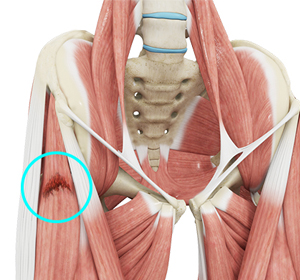
A tear in the muscle fibers caused by either a fall or direct blow to the muscle, overstretching and overuse injury can be called a muscle strain. Muscle strains often occur in the hip region whenever a muscle contracts suddenly from its stretched position. It can be mild, moderate or severe and depends on the level of injury. The chances of having a hip muscle strain become high if you have had a previous injury in the area or if there is no warm-up before exercising
Tyler Bron, M.D.
Board-certified Orthopaedic SurgeonDr. Bron completed his fellowship in Adult Reconstruction, specializing in the treatment of arthritic hip & knee conditions at the University of Colorado in Aurora. He received specialized training in dealing with complex injuries of the hip and knee & has a particular interest in the treatment of hip arthritis through a muscle-sparing Anterior Approach. Dr. Bron works diligently with each & every patient to customize treatment plans & optimize outcomes to meet the patient’s individual goals.
What are the Symptoms of Hip Muscle Strain?
The most common symptom of hip strain is pain and swelling in the area of injury. Pain may worsen on using the injured muscle and the strength in the muscle may also decrease.
How is Hip Muscle Strain Diagnosed?
Apart from the physical examination of your hip and leg, your doctor may order an X-ray to rule out a stress fracture of the hip and confirm the diagnosis.
What is the Treatment for Hip Muscle Strain?
Initial treatment aims at relieving pain and swelling. RICE protocol should be followed for mild to moderate strains. It includes:
- R-Rest: Avoid bearing excess weight on your hip. You should use crutches for the first 1-2 days after injury.
- I- Ice: Gently rub the area with ice. This decreases the swelling.
- C-Compression: Wrap a bandage over the area to help decrease the swelling.
- E-Elevation: Elevate the injured area above heart level.
Anti-inflammatory medications may also be prescribed to reduce swelling and pain. In the initial two days, your doctor may recommend application of heat to the area using hot soaks or heating pads. It is beneficial to be away from activities that cause the strain for 2 weeks. During this period, simple stretching and strengthening exercises can be performed to regain muscle strength.
How Can Hip Muscle Strain Be Prevented?
You can practice certain techniques to avoid straining the muscles around your hip. Stretching your muscles before starting any exercise or sports activity significantly reduces your risk. Also, remember to stretch the muscles slowly and hold the stretch for some time instead of performing many rapid stretches. Warm up every time before you stretch. Participate in a conditioning program to keep your muscles flexible and fit. Use protective gear that is appropriate for the sports activity you are involved in.
Schedule an Appointment
Our team is here to answer your questions and help you find the right treatment for your condition.