

Hip Osteonecrosis Treatment in Colorado Springs, CO
Hip osteonecrosis, also called avascular necrosis of the hip, occurs when the blood supply to the femoral head—the ball at the top of the thighbone—is disrupted. Without adequate blood flow, bone tissue can become damaged and eventually collapse. As the condition progresses, it can damage the hip joint and contribute to painful arthritis and difficulty walking.
Early hip osteonecrosis may cause few or no symptoms, making evaluation important when risk factors or concerning symptoms are present. As the condition progresses, patients may develop hip or groin pain, difficulty bearing weight, reduced mobility, and pain that can occur even at rest.
Tyler Bron, M.D.
Board-certified Orthopaedic SurgeonDr. Bron completed his fellowship in Adult Reconstruction, specializing in the treatment of arthritic hip & knee conditions at the University of Colorado in Aurora. He received specialized training in dealing with complex injuries of the hip and knee & has a particular interest in the treatment of hip arthritis through a muscle-sparing Anterior Approach. Dr. Bron works diligently with each & every patient to customize treatment plans & optimize outcomes to meet the patient’s individual goals.
If you are experiencing persistent hip or groin pain, Dr. Tyler Bron, MD, a board-certified orthopaedic surgeon in Colorado Springs specializing in adult reconstruction and hip and knee conditions, can evaluate your condition and discuss appropriate treatment options. Diagnosis may involve X-rays and, when appropriate, MRI to determine the extent of bone damage and whether femoral head collapse has occurred.
Treatment for hip osteonecrosis in Colorado Springs, CO depends on the stage of the disease, the amount of bone involved, symptoms, and other individual factors. Nonsurgical measures may help manage symptoms and reduce stress on the hip. For selected patients with early-stage disease, procedures such as core decompression may be considered, while advanced osteonecrosis with femoral head collapse may require hip replacement.
What is Hip Osteonecrosis?
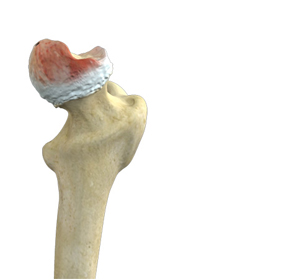
Hip osteonecrosis occurs due to disruption of the blood supply to the highest part of the thigh bone (femoral head). Due to lack of nourishment, the bone tissue of the femoral head dies and gradually collapses, which may further lead to degeneration of the underlying cartilage.
The hip joint is a ‘ball and socket’ joint. The ‘ball’ is the head of the femur or thighbone, and the ‘socket’ is the cup-shaped acetabulum. The joint surface is covered by a smooth articular surface (cartilage) that allows pain-free movement in the joint. Hip osteonecrosis can ultimately cause severe arthritis.
What are the Risk factors for Hip Osteonecrosis?
The common risk factors include:
- Trauma or injury to the blood vessels supplying the femur
- Excess use of steroid medications
- Excess alcohol consumption
- Certain viral infections (AIDS)
- Medical conditions such as sickle cell anemia, Gaucher’s disease, Caisson disease, pancreatitis, rheumatoid arthritis, etc.
What are the Symptoms of Hip Osteonecrosis?
The time taken for the initial onset of symptoms to the final stage can range between a few months to more than a year. Many people have no symptoms in the early stages but as it worsens, the symptoms can gradually progress from difficulty bearing weight to pain in the hip area even when lying down, to throbbing pain in the groin area. Untreated hip osteonecrosis may progress to difficulty with standing and walking.
How is Hip Osteonecrosis Diagnosed?
Your doctor will assess your symptoms and order imaging tests such as X-ray’s or MRI, the results of which vary at different stages of osteonecrosis.
- Stage 1: X-ray is normal but MRI reveals the dead bone.
- Stage 2: At this stage, there is no collapse of the femoral bone; X-ray and MRI reveal the dead bone.
- Stage 3: A crescent sign on X-ray and MRI indicates the collapse of the femoral bone.
- Stage 4: Collapse of femoral bone and sign of osteoarthritis on X-ray and MRI.
What is the Treatment for Hip Osteonecrosis?
Treatment depends on the stage of hip osteonecrosis. Your doctor initially prescribes medication to manage pain, inflammation and progressive collapse of bone tissue. You will be advised to minimize weight-bearing activities. Physical therapy may be suggested.
Surgery
Surgery is recommended by your doctor if conservative methods fail. The surgical procedure may be either of the following:
- Core decompression: It is a surgical procedure that involves surgical drilling into the dead bone area. This reduces pressure within the bone and increases blood flow allowing more blood vessels to form.
- Osteotomy: It involves cutting or removing the damaged end of the femur bone and alignment of the bone.
- Arthroplasty: The damaged cartilage and bone are removed from the hip joint and replaced with artificial components.
- Bone grafting: This method involves taking a small piece of healthy bone from the patient’s leg and grafting it to the area of dead bone (femur).
How Can Hip Osteonecrosis Be Prevented?
Hip osteonecrosis can be prevented by lowering the risk factors and following a healthy lifestyle.
Why Choose Dr. Tyler Bron for Hip Osteonecrosis in Colorado Springs?
Hip osteonecrosis can progress from early bone damage to femoral head collapse and arthritis. Because treatment options can vary significantly according to the stage of the condition, an evaluation by an orthopaedic surgeon with specialized hip and adult reconstruction training can help you understand your options.
Specialized Adult Reconstruction Training
Dr. Tyler Bron, MD, is a board-certified orthopaedic surgeon specializing in adult reconstruction and hip and knee conditions. He completed fellowship training in adult reconstruction through the University of Colorado.
Experience With Hip Osteonecrosis
Dr. Bron's hip practice includes treatment of osteonecrosis, including surgical options such as core decompression when appropriate. His adult reconstruction experience also includes hip replacement and revision surgery for patients whose hip joint has sustained more advanced damage.
Treatment Based on Disease Stage
There is no single treatment that is appropriate for every patient with osteonecrosis. Dr. Bron considers the stage of the condition, imaging findings, symptoms, extent of femoral head involvement, and individual treatment goals when discussing available options.
Comprehensive Hip Care
Depending on the circumstances, treatment may include activity modification, physical therapy, pain management, or surgical intervention. When osteonecrosis has progressed to significant femoral head collapse and joint degeneration, hip replacement may be considered.
Hip Osteonecrosis FAQs
Hip osteonecrosis, also known as avascular necrosis, is a condition in which reduced blood supply causes bone tissue in the femoral head to deteriorate. If the condition progresses, the femoral head can weaken and collapse, potentially leading to arthritis.
Hip osteonecrosis can develop after certain injuries that disrupt the blood supply to the femoral head. Other risk factors include prolonged or high-dose corticosteroid use, heavy alcohol consumption, and certain medical conditions. Sometimes, no specific cause can be identified.
Early osteonecrosis may not cause noticeable symptoms. As the condition progresses, symptoms can include hip or groin pain, pain with weight-bearing, stiffness, reduced range of motion, and eventually pain at rest or difficulty walking.
Your physician will review your symptoms and medical history and perform a physical examination. X-rays can identify changes in the hip as osteonecrosis progresses. MRI is particularly useful for detecting osteonecrosis at earlier stages when X-rays may not yet show abnormalities.
Depending on the stage and severity of the condition, nonsurgical measures may be used to manage symptoms and reduce stress on the hip. These may include modifying weight-bearing activities, physical therapy, and medications for pain when appropriate. Nonsurgical treatment does not necessarily reverse established bone damage.
Core decompression is a procedure intended to treat selected cases of early-stage osteonecrosis before significant collapse of the femoral head occurs. It involves removing or creating channels through a portion of the affected bone to reduce pressure within the bone and potentially promote healing.
Hip replacement may be considered when osteonecrosis has progressed to femoral head collapse, significant joint damage, or advanced arthritis accompanied by persistent pain and functional limitations. The decision depends on the condition of the hip and the patient's individual circumstances.
Yes. Progressive osteonecrosis can cause the femoral head to collapse and damage the joint surface. This may eventually result in secondary osteoarthritis of the hip.
Not all cases can be prevented, but reducing modifiable risk factors may lower the likelihood of developing the condition. This may include avoiding excessive alcohol consumption and using corticosteroid medications only as directed by your healthcare provider. People with risk factors or previous hip trauma should discuss concerns with their physician.
Hip osteonecrosis can be a serious condition because progressive loss of blood supply may result in bone collapse and permanent joint damage. Early diagnosis may provide more treatment options, particularly before the femoral head collapses.
Schedule a Hip Osteonecrosis Evaluation in Colorado Springs, CO
Persistent hip or groin pain should not be ignored, particularly if you have risk factors for osteonecrosis or a history of hip trauma. Early evaluation can help determine whether changes in the femoral head are present and whether treatment may help preserve hip function.
If you need hip osteonecrosis treatment in Colorado Springs, CO, contact Colorado Springs Orthopaedic Group to schedule an evaluation with Dr. Tyler Bron, MD and discuss a treatment plan based on the stage and condition of your hip.
Schedule an Appointment
Our team is here to answer your questions and help you find the right treatment for your condition.