

Hip Dislocation
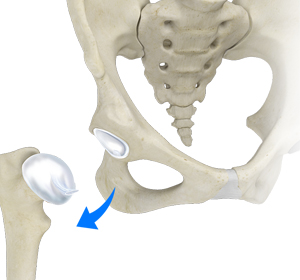
What is Hip Dislocation?
The hip joint is a “ball and socket” joint. The “ball” is the head of the femur or thighbone, and the “socket” is the cup-shaped acetabulum. The joint is surrounded by muscles, ligaments, and tendons that support and hold the bones of the joint in place. Hip dislocation occurs when the head of the femur moves out of the socket. The femoral head can dislocate either backward (posterior dislocation) or forward (anterior dislocation).
Tyler Bron, M.D.
Board-certified Orthopaedic SurgeonDr. Bron completed his fellowship in Adult Reconstruction, specializing in the treatment of arthritic hip & knee conditions at the University of Colorado in Aurora. He received specialized training in dealing with complex injuries of the hip and knee & has a particular interest in the treatment of hip arthritis through a muscle-sparing Anterior Approach. Dr. Bron works diligently with each & every patient to customize treatment plans & optimize outcomes to meet the patient’s individual goals.
What are the Causes of Hip Dislocation?
Hip dislocation can be caused by injuries from motor vehicle accidents or severe falls
What are the Symptoms of Hip Dislocation?
The common symptoms of hip dislocation include pain, inability to move your legs and numbness along the foot or ankle. A dislocation may also be associated with a fracture in the hip, back or knee bones
How is Hip Dislocation Diagnosed?
When you present to the clinic with these symptoms, your doctor performs a thorough physical examination and may order imaging studies such as X-rays to confirm the diagnosis.
What is the Treatment for Hip Dislocation?
Treatment involves reduction, in which your doctor repositions the bones to their normal position under anesthesia. Surgery may be performed to remove fragments of bone or torn tissues that block and prevent reduction
During your recovery, you are advised to limit movement and place less weight on the injured hip with the help of crutches. Physical therapy is vital in regaining the strength and mobility in your hip joint after treatment.
Schedule an Appointment
Our team is here to answer your questions and help you find the right treatment for your condition.