

Hip Trauma Reconstruction
What is Hip Trauma Reconstruction?
Hip trauma is an injury in the hip due to the impact caused by incidents such as a car accident or a hard fall. The injury can be a bone break or dislocation or both
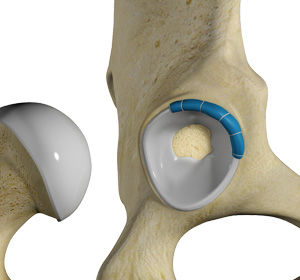
Hip trauma reconstruction is the process of rebuilding and restoring the hip joint.
Tyler Bron, M.D.
Board-certified Orthopaedic SurgeonDr. Bron completed his fellowship in Adult Reconstruction, specializing in the treatment of arthritic hip & knee conditions at the University of Colorado in Aurora. He received specialized training in dealing with complex injuries of the hip and knee & has a particular interest in the treatment of hip arthritis through a muscle-sparing Anterior Approach. Dr. Bron works diligently with each & every patient to customize treatment plans & optimize outcomes to meet the patient’s individual goals.
What are the Indications for Hip Trauma Reconstruction?
Major indications for hip trauma reconstruction include:
- Pain and inflammation in the hip and groin area
- Limited movement of the hip or leg
- Inability to put weight or pressure on the hip and leg
How is Hip Trauma Reconstruction Performed?
Hip trauma reconstruction is performed with several approaches and may involve one or more of the following.
Hip Resurfacing
- Your surgeon makes an incision to access your hip bone and thighbone (femur)
- Then the femoral head is trimmed and capped with a covering of smooth metal
- The damaged bone and/or cartilage are removed from the hip joint
- The hip socket is lined with a metal shell and the incision is closed with stitches.
Hip Osteotomy
- An incision is made, and the damaged bone is cut, reshaped and fixed in a proper position
- This ensures realigning of the load-bearing surfaces of the hip and proper weight distribution.
- The incision is then closed with stitches.
Hip Arthroscopy
- A few small incisions are made around the hip to insert the arthroscope device
- Your surgeon views the hip’s interior on a monitor and then inserts small surgical instruments.
- The affected parts are repaired, and the incisions are closed with sutures
Hip Arthroplasty
- Your surgeon gets access to the affected part through small incisions.
- The damaged joint surface is removed and replaced with an artificial implant
- The incision is closed with stitches to conclude the arthroplasty
What are the Risks Associated with Hip Trauma Reconstruction?
The main risks associated with the procedure include but are not limited to:
- Wound healing problems, infection
- Damage to nerves or blood vessels
- Excess bleeding or blood clots
What Precautions Should Be Taken as You Recover from Hip Trauma Reconstruction?
As you recover from the hip trauma reconstruction, you may be required to:
- Use crutches or a walker or a cane for a specific period of time
- Follow weight-bearing restrictions until the hip heals and stabilizes
- Perform specific exercises to regain flexibility and motion in your hip
What are the Benefits of Hip Trauma Reconstruction?
Hip trauma reconstruction can:
- Alleviate hip pain and restore mobility
- Reduce strain and wear and tear
- Improve the quality of life
Schedule an Appointment
Our team is here to answer your questions and help you find the right treatment for your condition.