

Hip Tendonitis Treatment in Colorado Springs, CO
Hip tendonitis occurs when a tendon around the hip becomes irritated or develops degenerative changes, often following repetitive activity, overuse, or altered movement mechanics. Tendons connect muscles to bones and help stabilize and move the hip. When a tendon becomes painful or irritated, everyday activities such as walking, climbing stairs, exercising, or stretching can become uncomfortable.
Symptoms of hip tendonitis in Colorado Springs may include gradually increasing pain, tenderness, stiffness, and discomfort with certain movements or activities. Because hip pain can also be caused by arthritis, bursitis, injuries, or other conditions, an orthopaedic evaluation can help identify the underlying source of your symptoms.
Dr. Tyler Bron, MD, a board-certified orthopaedic surgeon specializing in adult reconstruction and hip and knee conditions, provides evaluation and treatment for a range of hip problems. Depending on the cause and severity of your symptoms, treatment may include activity modification, physical therapy, medications, or other nonsurgical approaches. Dr. Bron takes an individualized approach to help patients understand their condition and treatment options.
Tyler Bron, M.D.
Board-certified Orthopaedic SurgeonDr. Bron completed his fellowship in Adult Reconstruction, specializing in the treatment of arthritic hip & knee conditions at the University of Colorado in Aurora. He received specialized training in dealing with complex injuries of the hip and knee & has a particular interest in the treatment of hip arthritis through a muscle-sparing Anterior Approach. Dr. Bron works diligently with each & every patient to customize treatment plans & optimize outcomes to meet the patient’s individual goals.
What is Hip Tendonitis?
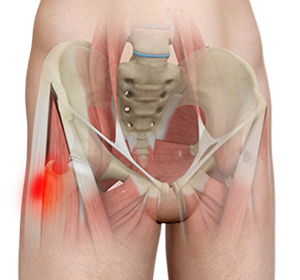
Tendons are strong connective tissue structures that connect muscle to bone. Hip tendonitis is a condition associated with degeneration of the hip tendons. This condition is mainly caused due to strain on the tendons which may occur due to overuse or biomechanical problems.
What are the Symptoms of Hip Tendonitis?
The symptoms of hip tendonitis may include:
- Pain that increases gradually
- Tenderness in the hip joint
- Stiffness of the hip
- Difficulty in movement or stretching of the muscle
What is the Treatment for Hip Tendonitis?
Hip tendonitis can be treated with the help of RICE: rest, ice, compression, and elevation. You may also be referred to a physical therapist who will instruct you on stretching exercises to regain motility. Massage and ultrasound therapy may also be recommended to enhance your recovery.
Why Choose Dr. Tyler Bron for Hip Tendonitis in Colorado Springs?
Persistent hip pain can make exercise, walking, and everyday activities more difficult. Because several conditions can produce similar symptoms, determining the underlying cause is an important part of developing an appropriate treatment plan.
Board-Certified Orthopaedic Surgeon
Dr. Tyler Bron, MD, is a board-certified orthopaedic surgeon in Colorado Springs specializing in adult reconstruction and hip and knee conditions. He completed fellowship training in adult reconstruction through the University of Colorado.
Comprehensive Hip Evaluation
Hip tendon pain may sometimes resemble symptoms caused by bursitis, arthritis, or other hip conditions. Dr. Bron evaluates your symptoms, medical history, physical examination findings, and imaging when appropriate to help determine the source of your discomfort.
Individualized Treatment Plans
Treatment depends on the tendon involved, severity of symptoms, activity level, and underlying cause. When appropriate, treatment may focus on nonsurgical measures such as activity modification, physical therapy, and other methods to help reduce symptoms and restore function.
Experience With a Range of Hip Conditions
Dr. Bron's adult reconstruction practice includes care for various hip conditions, including arthritis, osteonecrosis, tendon-related problems, and conditions requiring hip replacement or revision surgery. This broad experience can be helpful when persistent hip symptoms require further orthopaedic evaluation.
Hip Tendonitis FAQs
Hip tendonitis refers to irritation or degenerative changes involving a tendon around the hip. It can develop from repetitive stress, overuse, changes in biomechanics, or other factors that place increased strain on the tendon.
Symptoms may include gradually developing pain, tenderness, stiffness, and discomfort during specific movements or activities. The location and severity of symptoms can vary depending on the tendon involved.
Hip tendon problems can be associated with repetitive activity, sports, overuse, muscle weakness, altered movement mechanics, or sudden increases in physical activity. In some cases, tendon degeneration may develop over time.
Diagnosis typically begins with a medical history and physical examination. Your orthopaedic surgeon may assess hip movement, muscle strength, tenderness, and activities that reproduce your symptoms. Imaging such as X-rays or MRI may be considered when necessary to evaluate other conditions or provide additional information about the affected tissues.
Many tendon-related hip conditions can be managed without surgery. Depending on the cause, treatment may include reducing activities that aggravate symptoms, physical therapy, medications, and other conservative measures.
Physical therapy may help improve flexibility, strength, movement patterns, and the function of muscles surrounding the hip. A physical therapist can develop a program based on your symptoms and functional needs.
Ice may help reduce discomfort after an activity that aggravates symptoms, while heat can sometimes help with stiffness. Your healthcare provider can recommend an appropriate approach based on your condition.
Recovery varies depending on the tendon involved, severity of the condition, duration of symptoms, and response to treatment. Some patients improve with conservative care over several weeks, while persistent or recurrent symptoms may require further evaluation.
Yes. Symptoms can recur if the factors contributing to tendon irritation are not addressed or if activity is increased too quickly. Gradually returning to activity and following an appropriate strengthening and rehabilitation program may help reduce the likelihood of recurrence.
Consider an orthopaedic evaluation if your pain persists despite appropriate self-care, interferes with normal activities, repeatedly returns, or makes it difficult to exercise or walk. An evaluation is also appropriate when the cause of your hip pain is unclear.
Schedule a Hip Tendonitis Evaluation in Colorado Springs, CO
Persistent hip tendon pain can interfere with mobility, exercise, work, and everyday activities. If you are experiencing hip tendonitis symptoms in Colorado Springs, CO, an orthopaedic evaluation can help determine the cause and identify appropriate treatment options.
Contact Colorado Springs Orthopaedic Group to schedule an evaluation with Dr. Tyler Bron, MD, and take the next step toward managing your hip pain and restoring comfortable movement.
Schedule an Appointment
Our team is here to answer your questions and help you find the right treatment for your condition.