

Acetabular Fracture
What is an Acetabular Fracture?
An acetabular fracture is a break in the acetabulum (ball-and-socket portion) of the hip joint. It usually occurs during high-energy injuries.
Tyler Bron, M.D.
Board-certified Orthopaedic SurgeonDr. Bron completed his fellowship in Adult Reconstruction, specializing in the treatment of arthritic hip & knee conditions at the University of Colorado in Aurora. He received specialized training in dealing with complex injuries of the hip and knee & has a particular interest in the treatment of hip arthritis through a muscle-sparing Anterior Approach. Dr. Bron works diligently with each & every patient to customize treatment plans & optimize outcomes to meet the patient’s individual goals.
What are the Causes of Acetabular Fractures?
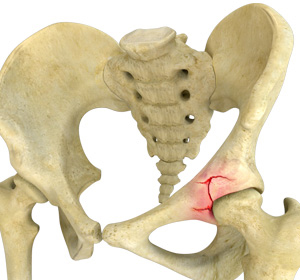
Causes of acetabular fractures include:
- Automobile accidents
- Osteoporosis
- Falls from heights
- Weak bones
What are the Symptoms of Acetabular Fracture?
Symptoms of an acetabular fracture include:
- Pain
- Hematoma
- Weakness due to nerve damage
- Swelling
- Tingling sensation
- Bruising
How is Acetabular Fracture Diagnosed?
Your doctor will review your medical history and symptoms and a physical examination of the hip will be performed. Your doctor may recommend the following diagnostic tests:
- X-ray: This study uses high-energy electromagnetic energy beams that produce images of the bones.
- CT scan: Special x-rays are used to produce images of any damage to the hip.
- MRI Scan: An imaging study that uses a large magnetic field and radio waves to detect any damage to the soft tissue
- Bone scan: A nuclear imaging study that helps your doctor to detect any hidden stress fractures or bone disorders.
What is the Treatment for an Acetabular Fracture?
Treatment for acetabular fracture includes:
- Medications: Your doctor will recommend over-the-counter pain medications to reduce inflammation and pain.
- Physical therapy: Your doctor will recommend special exercises and other techniques to strengthen the bones and muscles.
- Positioning aids: You will be advised to use a leg positioning device such as a knee immobilizer or abduction pillow to help support the restricted leg.
Surgical Method
- Total Hip Replacement: The damaged bone and cartilage are removed from the hip joint and replaced with artificial components.
- Open Reduction and Internal Fixation (ORIF): The fracture site is exposed, and internal fixation is performed with wires, screws, and nails that are attached to a metal plate placed inside the body.
- Traction: This method involves using a force to gently pull on the injured area to guide the fractured bone ends to their correction position. There are two methods of traction:
- Skin traction: Skin traction involves the attachment of traction tapes to the skin of the hip segment near the fracture
- Skeletal traction: In skeletal traction, a pin is inserted through the bone and attached to ropes. Weights are applied, and you will be placed in a traction apparatus
Schedule an Appointment
Our team is here to answer your questions and help you find the right treatment for your condition.