

Hip Bursitis Treatment in Colorado Springs, CO
Hip bursitis is a common cause of pain around the hip and can make walking, climbing stairs, exercising, or lying on the affected side uncomfortable. It occurs when a bursa—a small, fluid-filled sac that helps reduce friction between bones and surrounding soft tissues—becomes irritated or inflamed. Bursitis most often affects the outer side of the hip, although inflammation can also occur in the iliopsoas bursa near the groin.
If you have persistent hip pain in Colorado Springs, an orthopaedic evaluation can help determine whether bursitis is responsible for your symptoms or whether another hip condition may be contributing to the pain. Dr. Tyler Bron, MD, a board-certified orthopaedic surgeon specializing in adult reconstruction and hip and knee conditions, evaluates and treats a range of conditions affecting the hip.
Treatment for hip bursitis in Colorado Springs, CO depends on the cause and severity of your symptoms. Nonsurgical treatment may include activity modification, physical therapy, medications, ice or heat, and injections when appropriate. If symptoms persist despite appropriate conservative treatment, your orthopaedic surgeon can discuss additional treatment options based on your individual condition and goals.
Tyler Bron, M.D.
Board-certified Orthopaedic SurgeonDr. Bron completed his fellowship in Adult Reconstruction, specializing in the treatment of arthritic hip & knee conditions at the University of Colorado in Aurora. He received specialized training in dealing with complex injuries of the hip and knee & has a particular interest in the treatment of hip arthritis through a muscle-sparing Anterior Approach. Dr. Bron works diligently with each & every patient to customize treatment plans & optimize outcomes to meet the patient’s individual goals.
What is Hip Bursitis?
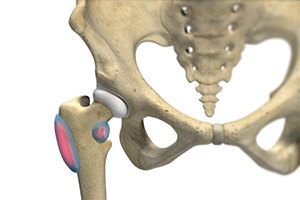
Hip bursitis is a painful condition caused by the inflammation of a bursa in the hip. Bursae are fluid-filled sacs present in the joints between bone and soft tissue to reduce friction and provide cushioning during movement.
The bony prominence of the hip is called greater trochanter and is present on the outer side of the upper thighbone or femur. The bursa overlying it is called trochanteric bursa. Another bursa is located towards the groin region and is called iliopsoas bursa. Bursitis of the trochanteric bursa is more common than that of iliopsoas bursa.
What are the Causes of Hip Bursitis?
Trochanteric bursitis is often associated with sports such as football and soccer, which involve a lot of running. These sports can lead to overuse and irritation of the bursa, causing inflammation. Bursitis may sometimes result from an injury or fall on your hip, or after a surgical procedure of the hip.
Certain spine diseases, rheumatoid arthritis, and leg length inequality increase your risk for developing hip bursitis.
What are the Symptoms of Hip Bursitis?
Trochanteric bursitis results in pain on the outer side of the hip, which usually increases with prolonged walking or climbing stairs. The pain is felt more while getting up from a chair and lying down on the affected side. The inflammation of the iliopsoas bursa, however, results in pain in the groin region.
How is Hip Bursitis Diagnosed?
A physical examination of the hip that indicates tenderness and swelling around the painful bursitis confirms the diagnosis of hip bursitis. To check for any bone spurs that could be causing irritation of the bursa your doctor may order an X-ray. If the reason for the pain is not very clear, your doctor may order an MRI to view the soft tissues and structures not visible on an X-ray.
What are the Treatment Options for Hip Bursitis?
Conservative Treatment Options for Hip Bursitis
The treatment goals for bursitis are focused on resolving inflammation and pain. Rest is advised and activities causing the bursitis pain are restricted. Anti-inflammatory medications are prescribed to reduce inflammation and pain. Physical therapy and treatments with heat, ice, and ultrasound are sometimes recommended. An injection of corticosteroid medicine may be administered to reduce the inflammation. Sometimes, a second injection is necessary if the pain returns after a few months. These non-surgical treatments provide relief from hip bursitis in most cases.
Surgery for Hip Bursitis
Sometimes, however, your doctor may recommend surgical removal of the bursa if you do not respond to conservative treatment measures.
Why Choose Dr. Tyler Bron for Hip Bursitis in Colorado Springs?
Persistent pain on the outside of your hip can interfere with walking, exercise, sleep, and everyday activities. An accurate evaluation can help distinguish bursitis from other conditions that may cause similar symptoms.
Board-Certified Orthopaedic Surgeon
Dr. Tyler Bron, MD, is a board-certified orthopaedic surgeon in Colorado Springs specializing in adult reconstruction and hip and knee conditions. His specialized training includes an adult reconstruction fellowship through the University of Colorado.
Comprehensive Hip Evaluation
Hip pain can have several potential causes, including bursitis, arthritis, tendon disorders, injuries, and referred pain. Dr. Bron evaluates your symptoms and medical history along with examination findings and imaging when appropriate to help identify the underlying problem.
Individualized Treatment
Treatment for hip bursitis is based on the severity and cause of the condition. Dr. Bron considers conservative approaches when appropriate and works with patients to develop a treatment plan based on their symptoms, activity level, and treatment goals.
Experience With a Range of Hip Conditions
Dr. Bron's adult reconstruction practice includes treatment of various hip disorders, including arthritis, osteonecrosis, tendon-related conditions, and conditions requiring hip replacement or revision surgery. This broader hip expertise can help when symptoms attributed to bursitis may have another underlying cause.
Hip Bursitis FAQs
Hip bursitis occurs when one of the bursae around the hip becomes irritated and inflamed. Bursae are small, fluid-filled sacs that help reduce friction between bones, tendons, muscles, and other tissues during movement.
Trochanteric bursitis typically causes pain and tenderness on the outside of the hip. Pain may become worse when walking, climbing stairs, standing after sitting, or lying on the affected side. Iliopsoas bursitis can cause pain closer to the groin.
Hip bursitis may develop from repetitive activities, overuse, direct impact or a fall, or irritation following hip surgery. Certain conditions involving the spine or joints and differences in leg length may also contribute to the risk of developing symptoms.
Diagnosis generally begins with a medical history and physical examination. Your physician may evaluate the location of tenderness, hip movement, and other symptoms. X-rays may be used to assess the bones and rule out other causes of hip pain, while MRI may be considered when additional information about soft tissues is needed.
Yes. Many cases of hip bursitis can be managed with nonsurgical treatment. Depending on the cause, options may include reducing activities that aggravate symptoms, physical therapy, medications, ice or heat, and corticosteroid injections when appropriate.
Physical therapy may help improve hip and core strength, flexibility, movement patterns, and the mechanics that contribute to irritation around the hip. A physical therapist can develop exercises based on your individual condition.
Consider an orthopaedic evaluation if hip pain persists, interferes with sleep or daily activities, repeatedly returns, or does not improve with appropriate self-care. An evaluation is also useful when the source of hip pain is uncertain.
Surgery is uncommon for hip bursitis. It may be considered in selected patients with persistent symptoms that do not respond to appropriate nonsurgical treatment. Your orthopaedic surgeon can determine whether surgery is appropriate after evaluating the underlying cause of your symptoms.
Schedule a Hip Bursitis Evaluation in Colorado Springs, CO
Don't let persistent hip pain interfere with your mobility, exercise, or sleep. If you are experiencing symptoms of hip bursitis in Colorado Springs, CO, Dr. Tyler Bron can evaluate your condition and help determine an appropriate treatment approach.
Contact Colorado Springs Orthopaedic Group to schedule an orthopaedic evaluation with Dr. Bron and discuss your hip pain and treatment options.
Schedule an Appointment
Our team is here to answer your questions and help you find the right treatment for your condition.