

Hip Fracture Surgery in Colorado Springs, CO
A hip fracture is a serious injury involving a break in the upper portion of the femur near the hip joint. Prompt evaluation and appropriate treatment are important for restoring mobility and helping reduce complications associated with prolonged immobility. Hip fracture surgery in Colorado Springs, CO may involve repairing the fracture with plates, screws, or other fixation devices, or replacing part or all of the hip joint depending on the location and severity of the fracture.
Tyler Bron, M.D.
Board-certified Orthopaedic SurgeonDr. Bron completed his fellowship in Adult Reconstruction, specializing in the treatment of arthritic hip & knee conditions at the University of Colorado in Aurora. He received specialized training in dealing with complex injuries of the hip and knee & has a particular interest in the treatment of hip arthritis through a muscle-sparing Anterior Approach. Dr. Bron works diligently with each & every patient to customize treatment plans & optimize outcomes to meet the patient’s individual goals.
Tyler Bron, MD, is a board-certified orthopaedic surgeon specializing in adult reconstruction and hip and knee surgery. His specialized training and experience in hip and joint conditions allow him to evaluate complex problems affecting the hip and discuss appropriate surgical and nonsurgical treatment options.
Treatment for a hip fracture depends on factors such as the fracture pattern, bone quality, age, activity level, overall health, and whether the hip joint itself has been damaged. Surgical options may include internal fixation, partial hip replacement, or total hip replacement when appropriate.
If you or a loved one has sustained a hip injury with significant pain, difficulty bearing weight, or other symptoms of a possible fracture, seek prompt medical evaluation. Patients in Colorado Springs and surrounding Southern Colorado communities can turn to Dr. Tyler Bron for specialized orthopaedic evaluation and treatment.
What is Hip Fracture Surgery?
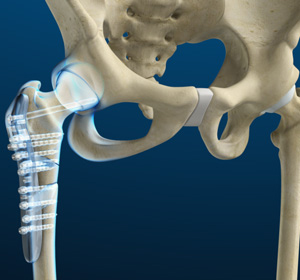
Surgical correction of hip fracture is known as hip fracture surgery.
Hip fractures involve a break that occurs near the hip in the upper part of the femur or thigh bone. The thigh bone has two bony processes on the upper part - the greater and lesser trochanters. The lesser trochanter projects from the base of the femoral neck on the back of the thigh bone. Hip fractures can occur either due to a break in the femoral neck, in the area between the greater and lesser trochanter or below the lesser trochanter.
What is Anatomy of the Hip?
The hip joint is a “ball and socket” joint. The “ball” is the head of the femur or thigh bone, and the “socket” is the cup-shaped acetabulum. The hip joint enables the upper leg to bend and rotate at the pelvis. The joint surface is covered by a smooth articular surface that allows pain-free movement in the joint.
What are the Causes of Hip Fractures?
Hip fractures are most frequently caused after minor trauma in elderly patients with weak bones, and by a high-energy trauma or serious injuries in younger people. Long term use of certain medicines, such as bisphosphonates to treat osteoporosis (a disease-causing weak bones) and other bone diseases, increases the risk of hip fractures.
What are the Signs and Symptoms of Hip Fractures?
Signs and symptoms of hip fractures include:
- Pain in the groin or outer upper thigh
- Swelling and tenderness
- Discomfort while rotating the hip
- Shortening of the injured leg
- Outward or inward turning of the foot and knee of the injured leg
How are Hip Fractures Diagnosed?
Your doctor is able to diagnose a hip fracture based on your symptoms, abnormal posture of your leg and hip, and a thorough physical examination. Your doctor may also order imaging tests, such as X-rays, MRI scan, or bone scan to confirm and view the hip fracture.
What Does Hip Fracture Surgery Involve?
Surgery is employed when a conservative approach such as medications, injections, and physiotherapy fails to provide satisfactory results.
Hip fracture surgery is performed under anesthesia either arthroscopically or through open surgery. Your surgeon will decide which approach is the best for your condition.
In general, an incision is made at the top of your thigh to expose the bones of the hip joint. The fractured or damaged joint is replaced with a prosthesis. The leg is moved to check for a satisfactory range of motion once the prosthesis is placed. The surgical incision is then closed with sutures and dressings to complete the operation.
Different surgical procedures are used for the treatment of hip fractures, and the type of surgery normally depends upon the severity and location of the fracture.
- Total Hip Replacement: This is an operation to replace both the natural socket in the hip and femoral head with prostheses. The upper femur and the socket in your pelvic bone are replaced with a prosthetic implant.
- Partial Hip Replacement: This is an operation to replace the damaged femoral head with a prosthesis. The traumatically fractured or damaged ball-like head of the thigh bone (the femoral head) is replaced with a prosthetic implant.
- Internal Fixation: This is an operation to hold the bone in place while it heals with screws, pins, rods, or plates. Your fracture will be corrected by placing a sliding hip screw into the head of the thighbone (femur), secured to the top of the thigh bone to hold the fracture together.
What Does Postoperative Care for Hip Fracture Surgery Involve?
Instructions for postoperative care include:
- Use of assistive devices such as splints and crutches for walking
- Keep your leg elevated to decrease swelling
- Rest the hip as much as possible
- Medications to control pain and swelling
- Limited weight-bearing activities
- Follow a balanced, varied diet
- Physiotherapy to improve flexibility, range of motion, and strengthen muscles
- Adhere to follow-up appointments
What are the Risks Associated with Hip Fracture Surgery?
As with any surgery, some of the potential risks associated with hip fracture surgery include:
- Improper or non-union of bone
- Infection and wound complications
- Damage to nerves and blood vessels
- Leg-length discrepancy
- Fracture
- Bleeding
- Deep vein thrombosis (blood clot)
- Bedsores due to lack of movement post-surgery
- Muscle atrophy
- Deterioration of mental health in old patients
- Avascular necrosis
What are the Benefits of Hip Fracture Surgery?
Some of the benefits associated with successful hip surgery include:
- Reduced pain
- Decreased stiffness
- Improved mobility, strength, and coordination
- Ability to maintain an active lifestyle
Why Choose Dr. Tyler Bron for Hip Fracture Surgery in Colorado Springs?
A hip fracture can require specialized orthopaedic care, particularly when the injury affects the upper femur or hip joint. Tyler Bron, MD, is a board-certified orthopaedic surgeon with fellowship training in adult reconstruction, with a clinical focus on hip and knee conditions and joint replacement.
Dr. Bron's experience includes treating conditions affecting the hip and performing hip replacement procedures. Depending on the fracture and the patient's individual circumstances, treatment may involve fixation or partial or total hip replacement. The appropriate procedure is determined after evaluating the fracture, bone quality, overall health, and functional needs.
Dr. Bron takes an individualized approach to orthopaedic care, taking the time to understand each patient's condition and treatment goals. His practice serves patients seeking specialized hip and orthopaedic care in Colorado Springs, Colorado.
Hip Fracture Surgery FAQs
A hip fracture is a break in the upper portion of the femur near the hip joint. Hip fractures can occur in different areas, including the femoral neck and the regions surrounding the greater and lesser trochanters. The location and severity of the fracture help determine the appropriate treatment.
Hip fractures can result from falls, accidents, sports injuries, or other trauma. In older adults, weakened bones associated with osteoporosis can make a hip fracture more likely, sometimes following a relatively minor fall. Younger people generally require greater force or higher-energy trauma to fracture the hip.
Common symptoms include significant hip or groin pain, swelling, tenderness, difficulty standing or walking, and pain when moving the affected leg. The injured leg may also appear shorter or positioned differently. A suspected hip fracture requires prompt medical evaluation.
Your doctor will review your symptoms and medical history and perform a physical examination. X-rays are commonly used to identify a hip fracture. If an X-ray does not clearly show a suspected fracture, additional imaging such as an MRI or other advanced imaging may be recommended.
Many hip fractures require surgical treatment, particularly when the fracture is displaced or the patient cannot safely bear weight. The appropriate treatment depends on the fracture pattern, location, bone quality, overall health, and other individual factors. Your orthopaedic surgeon will determine the most appropriate approach.
The surgical procedure depends on the type and location of the fracture. Treatment may include:
- Internal fixation: Screws, plates, rods, or other fixation devices are used to stabilize the fractured bone while it heals.
- Partial hip replacement: The damaged femoral head is replaced while the natural acetabular socket remains in place.
- Total hip replacement: Both the femoral head and the damaged acetabular surface are replaced with artificial components.
Your surgeon considers the location and pattern of the fracture, whether the fracture is displaced, the condition of the hip joint, bone quality, age, overall health, activity level, and other factors. These considerations help determine whether fixation or hip replacement is the most appropriate treatment.
A suspected hip fracture should be evaluated promptly. Hip fractures can cause significant pain and immobility, and delaying treatment may increase the risk of complications associated with prolonged inactivity. If you suspect you have fractured your hip, seek emergency medical attention.
Recovery varies depending on the fracture, surgical procedure, overall health, and rehabilitation plan. Your care team may provide instructions regarding weight-bearing, walking assistance, wound care, medications, and physical therapy. Rehabilitation is often an important part of regaining strength, mobility, and function.
Physical therapy is commonly an important part of recovery. A rehabilitation program may focus on improving strength, flexibility, balance, range of motion, and safe mobility. Your physical therapy plan will be adjusted according to your surgery and recovery progress.
Yes. Depending on the location and severity of the fracture and the condition of the hip joint, a surgeon may recommend partial or total hip replacement rather than repairing the fracture with internal fixation. The appropriate procedure is determined on an individual basis.
Potential complications can include infection, bleeding, blood clots, nerve or blood-vessel injury, fracture around the surgical site, leg-length differences, problems with bone healing, muscle weakness, and other complications. The risks depend on the patient's health and the type of fracture and surgery.
For patients at increased risk, your healthcare team may recommend evaluating bone health and addressing factors that contribute to falls or weakened bones. Appropriate nutrition, physical activity, osteoporosis management, and fall-prevention strategies may help reduce future fracture risk.
If you have significant hip or groin pain after a fall or other injury, especially if you cannot bear weight or move the leg normally, seek prompt medical evaluation. A hip fracture can sometimes occur without obvious deformity, so persistent symptoms should not be ignored.
Dr. Tyler Bron, MD, provides specialized orthopaedic care in Colorado Springs, Colorado, with a focus on adult reconstruction and hip and knee conditions. Patients with hip injuries can receive an evaluation to determine the appropriate treatment for their condition.
Schedule a Hip Fracture Consultation in Colorado Springs, CO
A hip fracture can significantly affect mobility and independence. Prompt diagnosis and appropriate treatment can help address the injury and establish a plan for recovery.
Tyler Bron, MD, provides specialized orthopaedic and hip care in Colorado Springs, CO, including evaluation and treatment of conditions affecting the hip. Depending on the injury, treatment may involve fracture fixation or hip replacement.
If you have sustained a hip injury or are experiencing persistent pain following a fall or accident, contact Colorado Springs Orthopaedic Group to schedule an evaluation with Dr. Tyler Bron, or seek emergency medical care when the injury is acute or you are unable to bear weight.
Get Hip Fracture Care in Colorado Springs
Don't ignore significant hip pain or difficulty walking after an injury. Schedule an orthopaedic evaluation in Colorado Springs to learn more about your diagnosis and the treatment options available for your hip fracture.
Schedule an Appointment
Our team is here to answer your questions and help you find the right treatment for your condition.