

Knee Pain Treatment in Colorado Springs, CO
Knee arthritis can cause persistent pain, stiffness, swelling, and difficulty with everyday activities such as walking, climbing stairs, exercising, or standing for long periods. At Colorado Springs Orthopaedic Group, Dr. Tyler Bron provides individualized evaluation and treatment for knee arthritis, helping patients understand their condition and explore appropriate treatment options.
Knee arthritis may develop from age-related cartilage wear, previous injuries, excess stress on the joint, or inflammatory conditions. Depending on the severity of arthritis and your symptoms, treatment may include activity modification, medications, physical therapy, injections, weight management, or surgical options such as partial or total knee replacement.
If knee arthritis is affecting your mobility or quality of life, a comprehensive evaluation can help determine the cause of your symptoms and the most appropriate next step. Dr. Tyler Bron is a board-certified orthopaedic surgeon specializing in adult reconstruction and knee and hip joint replacement in Colorado Springs, Colorado.
Tyler Bron, M.D.
Board-certified Orthopaedic SurgeonDr. Bron completed his fellowship in Adult Reconstruction, specializing in the treatment of arthritic hip & knee conditions at the University of Colorado in Aurora. He received specialized training in dealing with complex injuries of the hip and knee & has a particular interest in the treatment of hip arthritis through a muscle-sparing Anterior Approach. Dr. Bron works diligently with each & every patient to customize treatment plans & optimize outcomes to meet the patient’s individual goals.
What is Knee Arthritis?
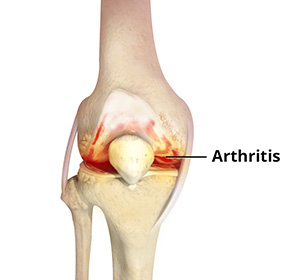
The joint surface is covered by a smooth articular surface that allows pain-free movement in the joint. Arthritis is a general term covering numerous conditions where the joint surface or cartilage wears out. This surface can wear out for several reasons; often the definite cause is not known. Arthritis often affects the knee joint. When the articular cartilage wears out, the bone ends rub on one another and cause pain. The most common type of arthritis is osteoarthritis. It occurs with aging and use.
What are the Causes of Knee Arthritis?
There are numerous conditions that can cause arthritis but often the exact cause is never known. In general, but not always, it affects people as they get older (osteoarthritis). Other causes include:
- Trauma (fracture)
- Increased stress such as overuse and overweight
- Infection of the bone
- Connective tissue disorders
- Inactive lifestyle and obesity (overweight). Your weight is the single most important link between diet and arthritis, as being overweight puts an additional burden on your hips, knees, ankles, and feet.
- Inflammation (rheumatoid arthritis)
What are the Symptoms of Knee Arthritis?
Knee arthritis causes pain and decreased mobility of the knee joint. The cartilage lining is thinner than normal or completely absent. In the arthritic knee, there is an absent joint space that shows on X-ray. In the normal knee, there is a normal joint space. The capsule of the arthritic knee is swollen. The degree of cartilage damage and inflammation varies with the type and stage of arthritis. Bone spurs or excessive bone can also build up around the edges of the joint. The combinations of these factors make the arthritic knee stiff and limit activities due to pain or fatigue.
How is Knee Arthritis Diagnosed?
Doctors diagnose knee arthritis with a medical history, a physical examination, and X-rays of the affected joint. During the physical examination, your doctor will examine the affected joint for swelling, pain, tenderness, and assess the joint’s range of motion. An X-ray of the knee may show a loss of the joint space and bone spur formation.
There is no blood test for knee arthritis.
What is the Treatment for Knee Arthritis?
There is no known cure for knee arthritis. However, there are several treatments and lifestyle modifications that can help you ease your pain and symptoms. The objective of the treatment is to reduce pain, improve joint movement, and prevent further damage to the joint. The treatment of knee arthritis involves:
Medications: Medications may include different classes such as anti-inflammatory drugs, steroid injections, artificial joint fluid injections, and other drugs.
Lifestyle modifications:
Some of the lifestyle modifications include:
- A moderate exercise program
- Use of heat or cold treatments
- Eating a healthy and well-balanced diet
- Getting adequate rest
- Losing weight
- Protecting your joints with the use of assistive devices such as splints or braces to support the weakened joints
Physical therapy: Your physical therapist will teach you exercises to keep joints flexible and improve muscle strength.
Surgery: Surgery is usually considered if non-surgical treatment fails to provide relief. Joint replacement surgery is considered as an option when the pain is so severe that it affects your ability to carry out normal activities.
Why Choose Dr. Tyler Bron for Knee Arthritis Treatment in Colorado Springs?
Choosing the right treatment for knee arthritis begins with an accurate evaluation and a treatment plan tailored to your symptoms, activity level, and goals. Dr. Tyler Bron brings specialized training in adult reconstruction and extensive experience treating conditions affecting the hip and knee.
Patients seeking knee arthritis care in Colorado Springs may benefit from:
- Board-certified orthopaedic care: Bron is board-certified by the American Board of Orthopaedic Surgery.
- Specialized adult reconstruction training: He completed fellowship training in adult reconstruction at the University of Colorado.
- Comprehensive knee treatment: Treatment may range from conservative care and injections to partial or total knee replacement when appropriate.
- Individualized treatment planning: Recommendations are based on your symptoms, examination findings, imaging, overall health, and treatment goals.
- Focus on joint preservation: When appropriate, nonsurgical approaches may be considered before surgery.
- Joint replacement expertise: For advanced arthritis that significantly affects daily activities, Dr. Bron provides partial and total knee replacement options.
- Patient-centered communication: Bron emphasizes listening to patients, discussing available options, and maintaining an open dialogue throughout treatment.
Knee Arthritis FAQs
Knee arthritis can have several causes. Osteoarthritis commonly develops as cartilage gradually wears down with age and use. Previous injuries, fractures, excess stress on the joint, obesity, inflammatory conditions such as rheumatoid arthritis, and other medical conditions can also contribute.
Common symptoms include knee pain, stiffness, swelling, reduced range of motion, and difficulty with activities such as walking, climbing stairs, or exercising. Symptoms can vary depending on the type and severity of arthritis.
Diagnosis typically involves a medical history, physical examination, and imaging such as X-rays. X-rays can show changes including narrowing of the joint space and bone spur formation. Additional testing may be recommended when another condition is suspected.
Yes. Depending on the severity of arthritis, nonsurgical treatment may include activity modification, physical therapy, appropriate medications, weight management, and injections. Your orthopaedic surgeon can help determine which options are appropriate for you.
Physical therapy may help improve muscle strength, flexibility, joint function, and mobility. A physical therapist can develop an exercise program based on your individual condition and abilities.
Injections may be considered for some people with knee arthritis. Options can include corticosteroid injections and other types of injections. The potential benefits and limitations depend on your individual condition.
For people who are overweight, weight reduction can decrease the mechanical load placed on the knee and may help improve symptoms and mobility. Your healthcare provider can help you develop an appropriate approach.
Consider an evaluation if knee pain or stiffness persists, interferes with daily activities, limits mobility, or does not improve with conservative measures. An evaluation can help determine the cause of your symptoms and available treatment options.
Knee replacement may be considered when arthritis causes significant pain and functional limitations and nonsurgical treatments no longer provide adequate relief. The decision depends on your symptoms, examination, imaging, overall health, and goals.
A partial knee replacement treats arthritis limited to a specific compartment of the knee in appropriately selected patients. Total knee replacement replaces the damaged joint surfaces throughout the knee. Your surgeon can determine which option is appropriate based on the pattern and extent of arthritis.
Knee arthritis can progress over time, although the course varies from person to person. Early evaluation and appropriate management may help address symptoms and maintain mobility.
If knee arthritis is making walking, stairs, exercise, work, or other daily activities difficult, schedule an orthopaedic evaluation. Understanding the severity and cause of your arthritis can help you make an informed decision about treatment.
Schedule a Knee Arthritis Evaluation in Colorado Springs, CO
You do not have to manage persistent knee pain and stiffness without understanding your treatment options. Dr. Tyler Bron provides comprehensive evaluation and treatment for knee arthritis, from conservative approaches to partial and total knee replacement when appropriate.
If knee arthritis is limiting your mobility or affecting your quality of life, contact Colorado Springs Orthopaedic Group to schedule an evaluation with Dr. Bron in Colorado Springs, CO.
Schedule an Appointment
Our team is here to answer your questions and help you find the right treatment for your condition.